AN.. Dog’s Harrowing Rescue After Being Bitten by Venomous Copperhead Snake at Connecticut’s Sleeping Giant State Park
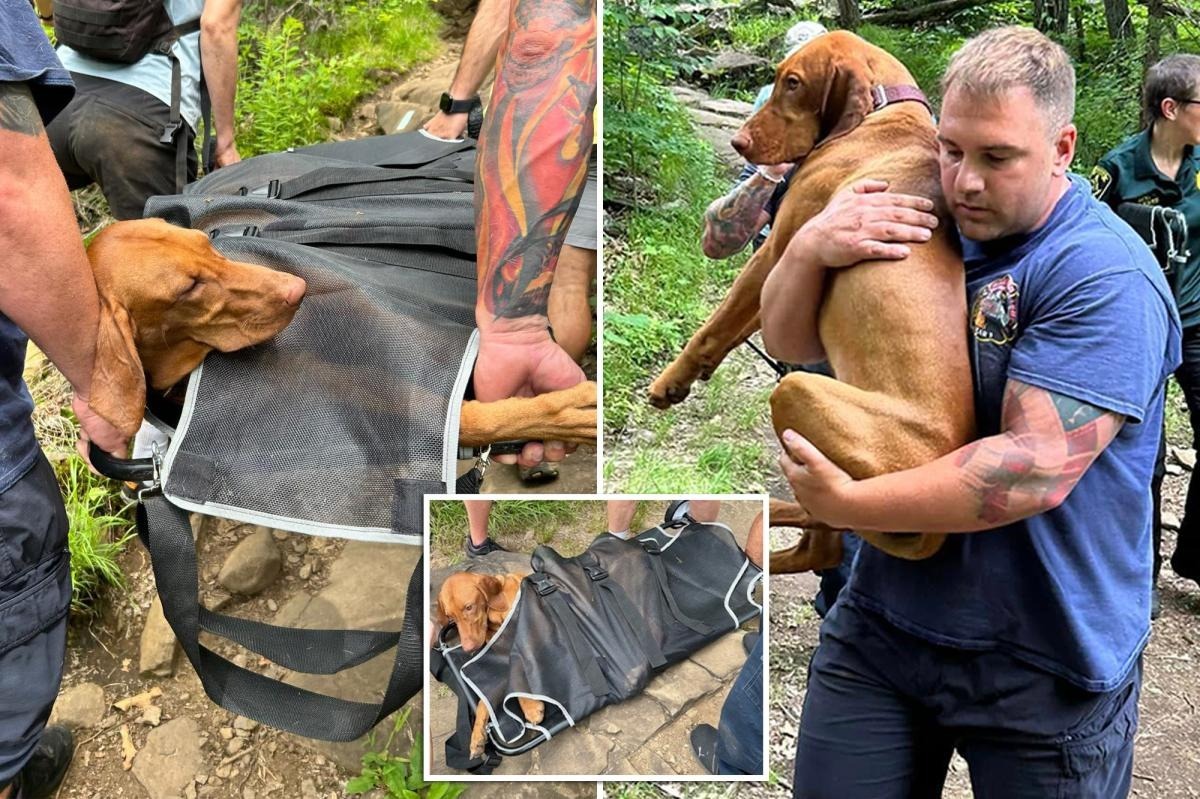
A recent incident in Connecticut has highlighted the dangers pet owners face when exploring natural parks with their dogs. Raleigh, a Vizsla breed dog, was severely bitten by a venomous Northern Copperhead snake while on a walk with its owner at the popular Sleeping Giant State Park. The frightening event led to a complex rescue operation, demonstrating the importance of being prepared for wildlife encounters.
The Incident: A Close Call for Raleigh
On a typical summer afternoon in June 2024, Raleigh, the five-year-old dog, was out for a walk with its owner at the Sleeping Giant State Park in Hamden, Connecticut. Known for its scenic views and hiking trails, the park is a popular destination for outdoor enthusiasts and pet owners. However, it also serves as home to several species of wildlife, including venomous snakes such as the Copperhead.
While strolling along the park’s trails, Raleigh was suddenly bitten by a Copperhead snake. The owner, initially unaware of the severity of the situation, thought the dog had merely injured its paw. However, upon closer inspection, it became evident that the bite was from a venomous snake.

The Copperhead: A Deadly Threat in Connecticut
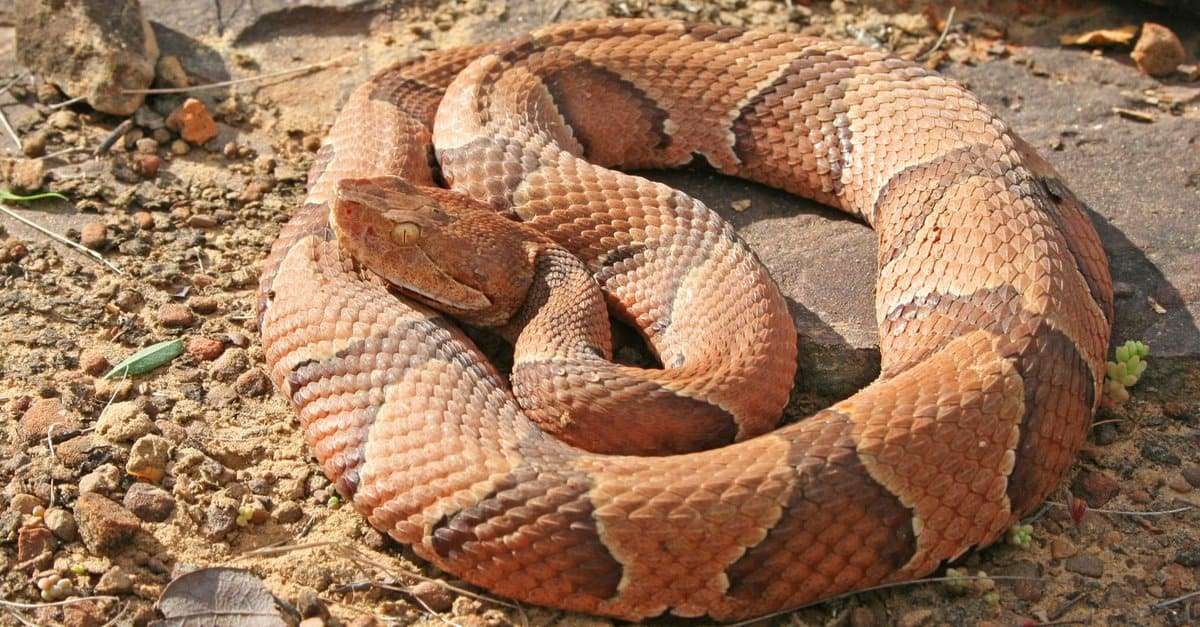
The Northern Copperhead snake (Agkistrodon contortrix mokasen) is one of Connecticut’s most dangerous snake species. Its venom contains hemotoxins that can cause severe tissue damage and even death if not treated promptly. Although Copperhead bites are rarely fatal to humans, they can be deadly for pets, especially if the snake is not quickly removed or if the bite occurs near critical organs.
In Raleigh’s case, the venom spread rapidly, threatening the dog’s life. The owner immediately contacted emergency services for help, realizing the severity of the situation.
The Challenging Rescue Operation
Given the difficult terrain and the urgency of the situation, a team of six people, including emergency responders and park rangers, were mobilized to rescue Raleigh. The park, known for its rocky and uneven landscapes, posed significant challenges for the rescuers.
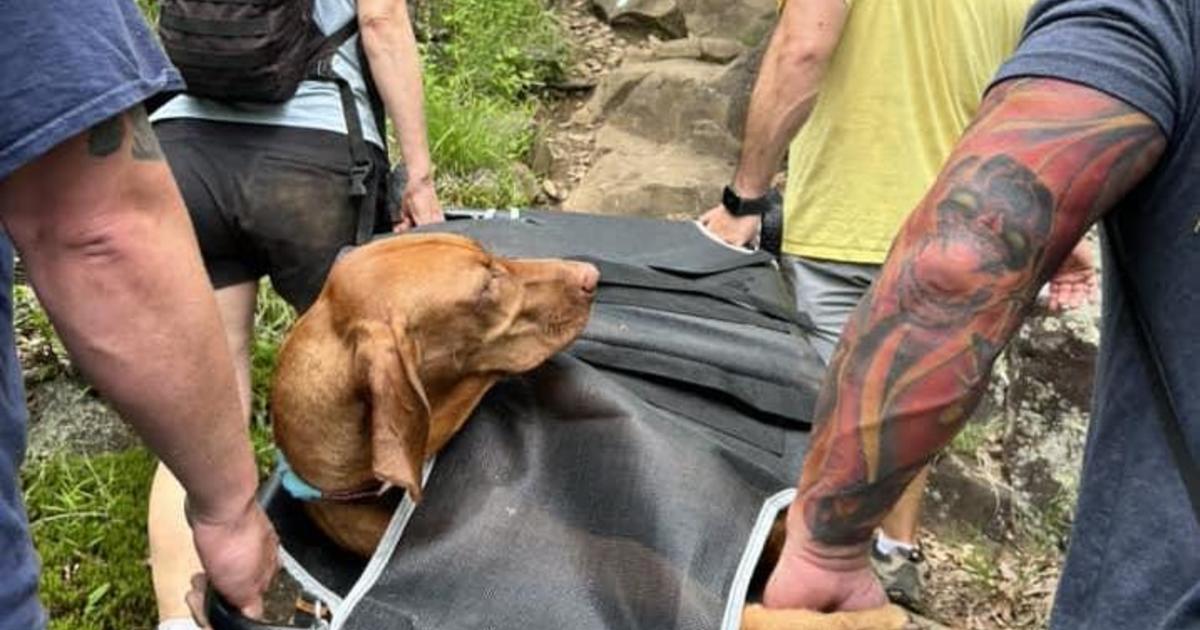
After navigating the tough environment, the rescuers were able to reach Raleigh, who was still in distress. The dog was carefully placed on a stretcher and carried down the mountain to an awaiting ambulance. This effort required significant coordination and skill, as the team had to ensure that Raleigh was transported safely and swiftly to avoid further complications from the venom.
Treatment and Recovery: A Glimmer of Hope
Once Raleigh was safely transported to a nearby veterinary hospital, the team of medical professionals immediately began treatment. The dog was administered antivenom to counteract the effects of the Copperhead venom. Within hours, Raleigh began showing signs of improvement. The quick response from the rescue team and veterinary staff played a crucial role in saving the dog’s life.
Raleigh’s recovery was closely monitored over the next few days, and the dog slowly regained its strength. Thanks to prompt medical intervention, Raleigh survived the potentially fatal ordeal, making a full recovery within a few weeks.
Lessons for Dog Owners: How to Stay Safe in Wildlife Areas
This incident serves as an important reminder for pet owners to stay vigilant when exploring natural habitats with their dogs. Connecticut’s state parks, including Sleeping Giant, are home to various wildlife, and venomous snakes are a real threat to pets, especially during warmer months when snakes are more active.
Here are some tips for pet owners to ensure their dogs remain safe during outdoor activities:
- Stay on Well-Trodden Paths: Avoid venturing into tall grass or areas with dense vegetation where snakes may hide.
- Keep Dogs on a Leash: Leashing your dog helps maintain control and ensures they don’t wander into potentially dangerous areas.
- Wear Protective Footwear: If you’re walking through rocky or grassy areas, wear sturdy footwear to avoid stepping on snakes or other hazards.
- Know the Local Wildlife: Familiarize yourself with the types of venomous snakes and other wildlife native to the area you plan to visit. In Connecticut, the Copperhead and Eastern Timber Rattlesnake are two species that pose a significant risk.
- Carry a First Aid Kit: A pet first aid kit, including essentials like gauze, antiseptic wipes, and snake bite kits, can be crucial in emergencies.
- Stay Calm in an Emergency: If your dog is bitten, it’s essential to stay calm, try to keep your dog still, and immediately seek professional help. Snake bites require urgent medical attention.
- Watch for Symptoms: If your dog experiences swelling, excessive drooling, weakness, or lethargy, these may be signs of a venomous bite. Prompt intervention is necessary.

Why Pet Owners Should Be Prepared
While snake bites on dogs are rare, incidents like Raleigh’s remind us of the unpredictability of nature. Pet owners who enjoy outdoor activities should always be prepared for the unexpected. Whether you’re walking in a park, hiking in the woods, or just enjoying a day out with your dog, keeping safety in mind is essential.
In addition to snake bites, other risks like ticks, wild animal encounters, and dehydration can also threaten your dog’s well-being. By being prepared and aware of your surroundings, you can ensure that your furry friend stays safe and healthy.
The Resilience of Pets and the Importance of Preparedness
Raleigh’s story is one of survival, courage, and the incredible bond between a pet and its owner. While this particular incident ended well thanks to the prompt response of both the rescuers and the veterinary team, it serves as a valuable lesson for all pet owners who frequent natural parks and wildlife areas.
By staying informed about local wildlife, taking preventative measures, and being ready for emergencies, pet owners can help protect their dogs from dangerous encounters with venomous creatures. Always remember: your dog’s safety is in your hands, and a quick response can make all the difference in an emergency.