SB. What causes night cramps and how to fix the problem

Nighttime leg cramps, also known as nocturnal leg cramps, are sudden, involuntary contractions of muscles—most often in the calf, foot, or thigh—that occur during rest or sleep. According to the Mayo Clinic, these episodes are typically harmless but can cause significant discomfort and disrupt sleep. A cramp may last anywhere from a few seconds to several minutes, and the affected muscle may remain tender for hours afterward.
While occasional cramps are common, frequent or severe episodes may indicate an underlying health issue. Understanding the possible causes and evidence-based remedies is key to reducing their frequency and intensity.
Common Causes of Night Leg Cramps
1. Dehydration
Inadequate fluid intake can lead to an imbalance in electrolytes such as sodium, potassium, calcium, and magnesium—minerals essential for normal muscle contraction and relaxation. The Cleveland Clinic notes that dehydration, especially after exercise or hot weather, is a frequent contributor to muscle cramps.
2. Mineral Deficiencies
Low levels of potassium, magnesium, or calcium may increase the likelihood of cramps. According to Harvard Health Publishing, these minerals help regulate nerve signals and muscle function. Deficiency can result from poor diet, excessive sweating, or certain medical conditions.

3. Overexertion and Muscle Fatigue
Engaging in intense or prolonged physical activity, particularly without adequate stretching, can overwork muscles. The National Institute on Aging (NIA) highlights that muscle fatigue and repetitive movements are major triggers of cramping in adults of all ages.
4. Sedentary Lifestyle
Sitting for extended periods, especially with poor posture, may restrict blood flow and weaken muscles, increasing the risk of cramps. Regular movement throughout the day helps keep muscles active and reduces stiffness.
5. Poor Circulation and Nerve Compression
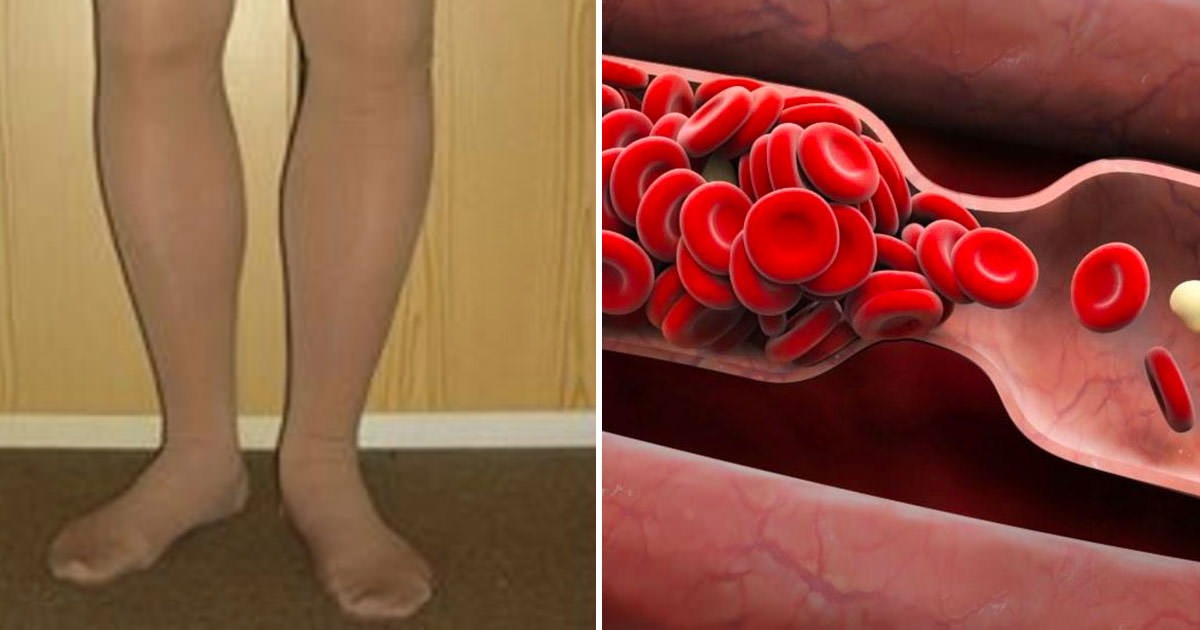
Conditions such as sciatica or a herniated disc can compress nerves in the spine, sending abnormal signals to the legs and leading to cramping. Similarly, peripheral artery disease (PAD) can restrict blood flow to leg muscles, particularly during rest or sleep.
6. Pregnancy
According to the American College of Obstetricians and Gynecologists (ACOG), leg cramps are common during the second and third trimesters of pregnancy. Hormonal changes and increased pressure on blood vessels contribute to this discomfort.

7. Medications
Several prescription drugs list muscle cramps as a potential side effect. These include:
-
Diuretics (used to treat high blood pressure and heart failure)
-
Statins (cholesterol-lowering drugs)
-
Beta-blockers
-
Antipsychotics
Always consult with a healthcare provider before making medication changes.
8. Alcohol Use
Excessive alcohol consumption can impair hydration and deplete key minerals, contributing to nighttime cramps. The National Institute on Alcohol Abuse and Alcoholism (NIAAA) warns that chronic alcohol use can worsen muscle health over time.

9. Underlying Medical Conditions
Persistent or severe cramps may be associated with medical conditions such as:
-
Diabetes
-
Kidney disease
-
Liver disease
-
Thyroid disorders
-
Neurological conditions like Parkinson’s disease
If cramps are frequent and unexplained, medical evaluation is recommended.
Evidence-Based Remedies and Prevention
While night leg cramps can be disruptive, several strategies are supported by medical research for both prevention and relief:
1. Stretching Exercises
According to the American Academy of Orthopaedic Surgeons (AAOS), stretching the calf muscles before bedtime may reduce cramp frequency. A simple stretch:
-
Stand facing a wall, one leg forward and one back.
-
Keep the back heel on the ground and lean forward until a stretch is felt in the calf.
-
Hold for 30 seconds on each leg.

2. Staying Hydrated
Drinking enough fluids throughout the day helps maintain electrolyte balance. The U.S. National Academies of Sciences, Engineering, and Medicine recommends about 3.7 liters of fluids daily for men and 2.7 liters for women (including water, beverages, and food sources).
3. Magnesium and Potassium Intake
Dietary sources of these minerals include:
-
Magnesium: nuts, seeds, whole grains, leafy greens
-
Potassium: bananas, oranges, potatoes, spinach
-
Calcium: dairy products, fortified plant milks, leafy greens
The National Institutes of Health (NIH) notes that supplementation should only be done under medical guidance.
4. Massage and Heat Therapy
Gently massaging the cramped muscle or applying a heating pad may help relax tight fibers. The Mayo Clinic confirms that heat improves circulation and muscle flexibility, while cold packs may reduce post-cramp soreness.

5. Foot Positioning During Sleep
Sleeping with toes pointed downward may increase the risk of calf cramps. Experts suggest slightly elevating the feet or keeping them in a neutral position to reduce strain on calf muscles.
6. Low-Impact Exercise
Light activities such as walking, swimming, or cycling help improve circulation and keep muscles strong. The NIA recommends daily movement as an important part of preventing nighttime cramps.
7. Medical Treatment When Necessary
If lifestyle adjustments don’t help, a physician may prescribe medications such as muscle relaxants. In rare cases, persistent cramps may require tests for underlying circulatory or neurological disorders.
When to See a Doctor
Occasional leg cramps are normal, but you should consult a healthcare provider if you experience:
-
Frequent cramps (several times per week)
-
Severe pain that doesn’t resolve with stretching
-
Swelling, redness, or warmth in the leg
-
Cramps associated with weakness or numbness
These symptoms could signal an underlying condition requiring medical attention.

Final Thoughts
Night leg cramps can be disruptive, but they are often preventable with lifestyle changes and simple at-home remedies. Staying hydrated, maintaining proper nutrition, and incorporating daily stretching are practical steps that can make a significant difference. For individuals experiencing frequent or severe cramps, medical evaluation ensures that more serious causes are ruled out and proper treatment is provided.
By addressing both lifestyle habits and potential medical factors, people can significantly reduce the discomfort of nighttime leg cramps and improve overall sleep quality.