SB. The Remarkable Story of Miriam Elizabeth Rodríguez Martínez: A Mother’s Fight for Justice
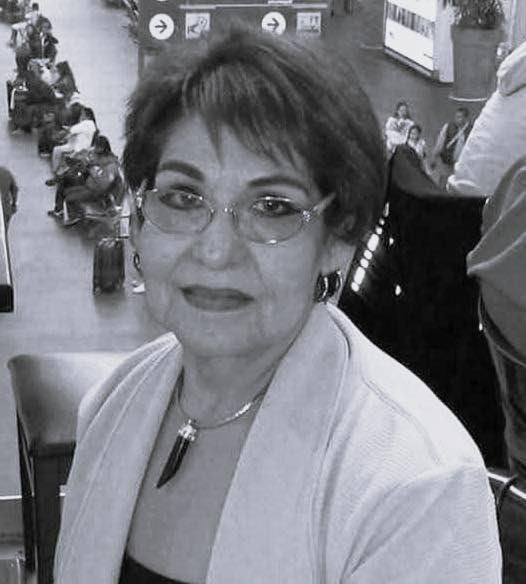
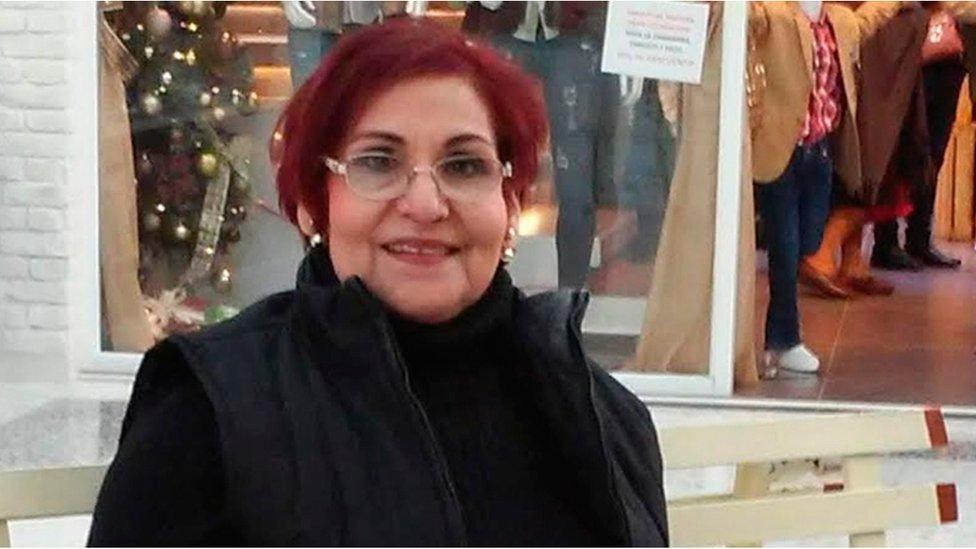
Miriam Elizabeth Rodríguez Martínez, from San Fernando, Tamaulipas, Mexico, became internationally known for her courageous efforts to bring those responsible for her daughter’s death to justice. Her story, which has been covered by multiple reputable news outlets, stands as an extraordinary example of determination, resourcefulness, and advocacy for victims’ families.
The Tragic Beginning
In 2012, Miriam’s daughter, Karen Alejandra Rodríguez, was kidnapped in the state of Tamaulipas, a region that had seen years of violent crime linked to organized criminal groups. Like many families in such situations, Miriam faced the agonizing uncertainty of not knowing her daughter’s fate.
According to official accounts, the family paid a ransom in hopes of securing Karen’s safe release. Despite this, Karen was not returned. After years of searching, in 2014 her remains were located and identified, bringing an end to the uncertainty but not to the grief.
Choosing Action Over Silence
Rather than retreat into mourning, Miriam decided to dedicate herself to identifying, locating, and helping authorities apprehend those involved in her daughter’s kidnapping and killing. This was a daunting task in a region where speaking out against organized crime was dangerous and often discouraged due to the risks involved.
Her decision was rooted in a desire to prevent other families from experiencing similar pain, as well as a determination to see that justice was served in her own case.
Tracking Down the Suspects
Over the course of several years, Miriam undertook extensive efforts to find the individuals connected to her daughter’s case. She reportedly used creative and resourceful methods such as altering her appearance, assuming different identities, and conducting discreet surveillance.
Her work was not a vigilante mission in the sense of taking justice into her own hands through violence—rather, she meticulously gathered information and passed it to law enforcement, ensuring that arrests could be made legally and suspects could face due process.
Collaboration With Authorities
Miriam’s approach was notable for its direct cooperation with authorities. In some cases, she is reported to have personally identified suspects in public places or gathered critical evidence that police were then able to act upon.
These efforts led to the apprehension of numerous individuals allegedly connected to her daughter’s abduction and death. Her work was recognized by human rights organizations and other families of missing persons as an example of what persistent advocacy could achieve, even in an environment where criminal groups sought to intimidate communities into silence.
The Broader Context in Tamaulipas
Tamaulipas, particularly in the early 2010s, was heavily affected by organized crime activity, including kidnappings and extortion. For many residents, these crimes created an atmosphere of fear.
In such an environment, Miriam’s work was both exceptional and risky. By confronting a powerful criminal network and demanding accountability, she became a symbol of civilian courage and resilience in a region where many people felt powerless to act.

Founding a Support Network
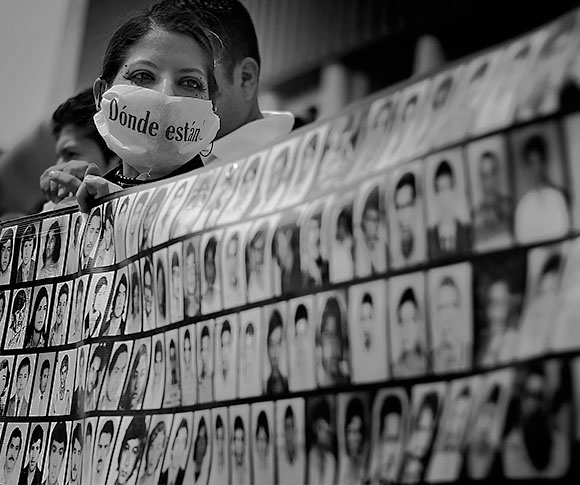
Beyond her personal case, Miriam became a leader for other families dealing with the disappearance of loved ones. She helped organize and later led a collective of families searching for missing persons in the state. This group provided emotional support, shared resources, and worked collectively to demand government action on unresolved cases.
Her activism inspired others to speak out and to press for official investigations, forensic searches, and policy changes aimed at addressing the crisis of disappearances in Mexico.
The Risks She Faced
Despite her successes, Miriam’s visibility and her direct role in facilitating arrests inevitably put her in danger. Speaking out publicly against organized crime and assisting in prosecutions carried significant risks. Friends, colleagues, and even law enforcement officials warned her of the potential consequences.
Nevertheless, she continued her work, driven by the belief that justice and truth were worth pursuing despite the dangers.
Her Death in 2017
On May 10, 2017—Mother’s Day in Mexico—Miriam Rodríguez Martínez was shot and killed outside her home in San Fernando. Authorities believe her death was linked to her activism and her role in identifying members of a criminal organization.
Her assassination shocked the nation and drew condemnation from human rights organizations, international observers, and government officials. It also highlighted the urgent need for better protection of human rights defenders in Mexico, many of whom face threats due to their work.

Continuing the Legacy
After her death, Miriam’s family and colleagues vowed to continue her mission. Her son, Luis Rodríguez, took on a leadership role in the organization she helped build. Under his guidance, the group has grown to include hundreds of families searching for missing relatives.
This collective continues to conduct searches, advocate for victims’ rights, and pressure authorities to pursue justice in cases of disappearance and other serious crimes. Their efforts keep Miriam’s legacy alive and ensure that her work continues to have a meaningful impact.
Recognition and Impact
Miriam Rodríguez Martínez’s story has been told in major international publications, documentaries, and human rights reports. She is frequently cited as an example of individual courage in the face of systemic violence and impunity.
Her actions have inspired grassroots activism not only in Tamaulipas but across Mexico. Families from other states have reached out to her network for guidance, and her case has been referenced in discussions on public policy, victims’ rights, and law enforcement reform.

A Lasting Symbol of Courage
Today, Miriam Rodríguez Martínez is remembered not only in Tamaulipas but internationally as a symbol of bravery and tenacity. Her legacy is carried on by the many people she inspired—families who continue to search for their loved ones, activists who demand justice, and citizens who refuse to be silenced by fear.
Her story is a reminder that even in the most difficult circumstances, individuals can make a difference. Through her dedication, she proved that the pursuit of justice is a cause worth risking everything for, and her name remains synonymous with courage in the face of overwhelming odds.