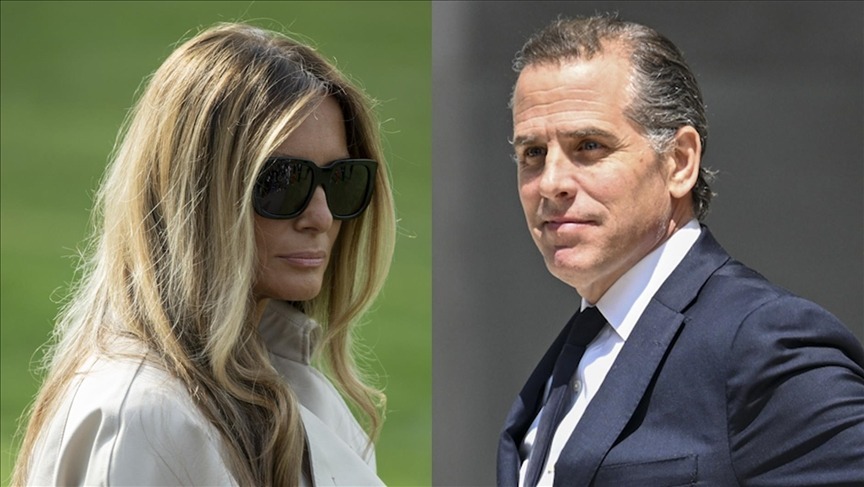
SB. People calling for Trump’s impeachment after Washington crackdown
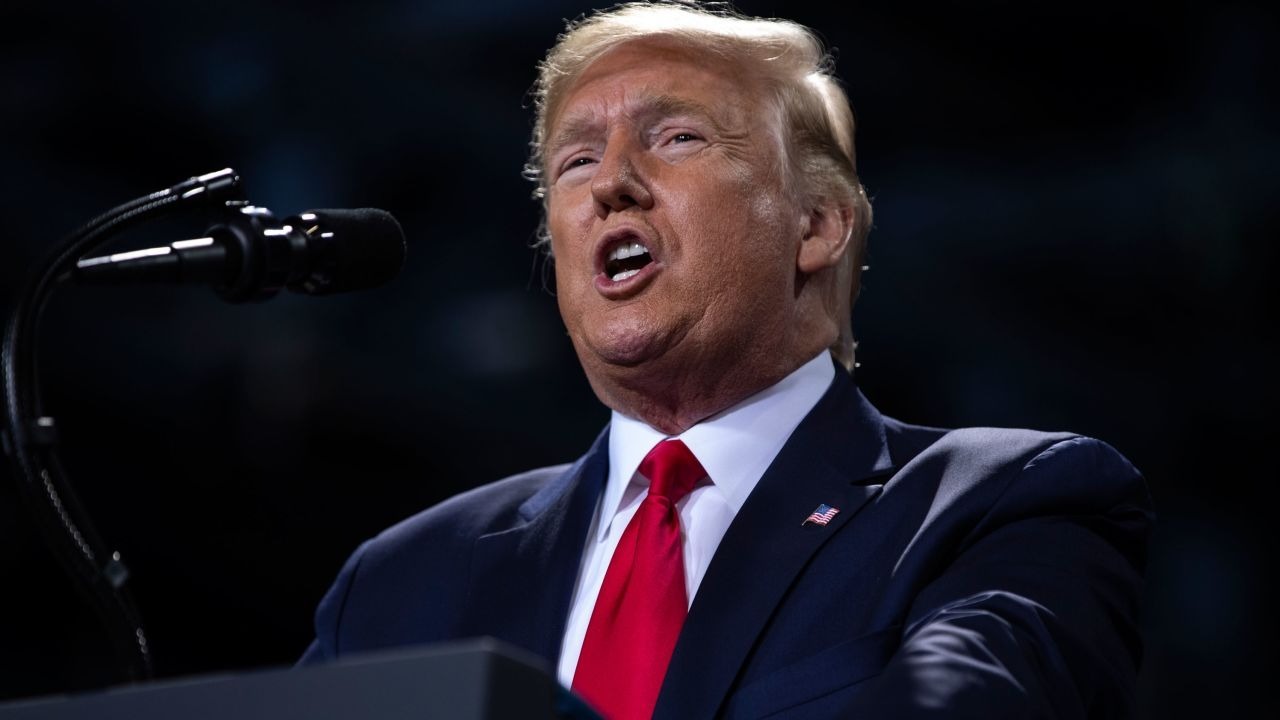
Washington, D.C., August 2025 – President Donald Trump has announced a new federal initiative aimed at addressing crime and public safety concerns in the nation’s capital. The plan, which includes a temporary federal oversight of the city’s police department and deployment of the National Guard, has drawn both support and criticism from lawmakers, local officials, and members of the public.

Details of the Crime Crackdown
During a press conference at the White House on Monday, President Trump outlined a series of measures designed to “restore order” in Washington, D.C. Under the plan, the federal government will assume temporary control of the Metropolitan Police Department for 30 days. Approximately 800 National Guard members will be deployed across the city to assist with law enforcement operations.
The president cited Section 740 of the District of Columbia Home Rule Act as the legal authority for the intervention. This provision allows the federal government to assume certain responsibilities in D.C. under specific circumstances.
According to administration officials, the decision was made in response to ongoing concerns about public safety, homelessness, and property crime in parts of the city. The initiative will also involve the relocation of certain encampments, with the stated goal of improving public spaces and addressing community concerns.

Reactions from Local Leadership
D.C. Mayor Muriel Bowser responded to the announcement, describing the move as “unprecedented” but noting that it reflects ongoing tensions between the city government and the federal administration over public safety policy.
The mayor expressed concern about the potential impact of federal intervention on local governance, stating that her administration will monitor the situation closely and advocate for the interests of D.C. residents.
Public and Political Response
The plan has generated significant debate nationwide. Supporters argue that increased federal involvement is necessary to address persistent crime challenges and ensure safety for residents and visitors.
Critics, however, have raised concerns about the scope of the intervention and its implications for local autonomy. Some legal analysts have noted that while Section 740 provides a legal pathway for federal action, such measures are rare and often scrutinized for potential overreach.

Related Legal Challenges
The D.C. action follows recent legal disputes over federal deployments in other parts of the country. Earlier this year, a federal court began reviewing a case involving the deployment of National Guard units to Los Angeles during immigration-related demonstrations.
California officials have argued that the move bypassed state authority, potentially conflicting with the principle that governors control their own National Guard units. The administration has maintained that the deployment complied with applicable laws.
Legal experts note that the outcome of the California case could influence future interpretations of federal authority in similar situations, including the current D.C. operation.
Federal Priorities and Goals
According to the White House, the immediate goals of the crackdown include:
-
Enhancing police presence in high-crime areas.
-
Increasing coordination between federal and local law enforcement agencies.
-
Addressing public concerns about safety in residential and commercial districts.
-
Ensuring compliance with local and federal laws while maintaining civil liberties protections.
The administration has stated that the operation will be conducted in cooperation with local authorities where possible, and that the 30-day federal oversight period could be extended or shortened based on results.
Historical Context
Federal involvement in local policing in Washington, D.C., is not without precedent. Due to the city’s unique status as the nation’s capital, the federal government retains certain powers that are not applicable in states.
Past interventions have occurred during times of civil unrest, major public events, or in response to security concerns. However, long-term oversight of local police departments by federal authorities remains uncommon.
Safety Data and Crime Trends
While national crime statistics show a complex picture, D.C.’s official crime reports for 2024 indicated fluctuations in various categories. Some violent crimes saw decreases, while others experienced slight increases.
Local law enforcement leaders have emphasized the need for targeted strategies, including community engagement, economic support programs, and mental health services, in addition to traditional policing efforts.

Future Outlook
The current operation in D.C. will be closely monitored by policymakers, legal experts, and advocacy groups. The Office of the Inspector General and independent watchdog organizations are expected to review the implementation of the plan, including its effects on public safety, civil rights, and community relations.
As the 30-day period unfolds, the administration has pledged to provide regular updates on progress and outcomes. A final report summarizing the results of the federal intervention is expected at the conclusion of the oversight period.
Conclusion
President Trump’s federal crime crackdown in Washington, D.C., marks one of the most significant interventions in the city’s law enforcement in recent years. While the move has been met with both praise and skepticism, it underscores ongoing national debates over crime prevention, local governance, and the balance of power between federal and municipal authorities.
Whether the plan will achieve its stated goals or face further legal and political challenges remains to be seen. For now, Washington, D.C., enters a month-long period of heightened security and federal oversight that could shape the future of public safety policy in the capital.