SB. Classic Beauty Secrets of British Women in Past Decades
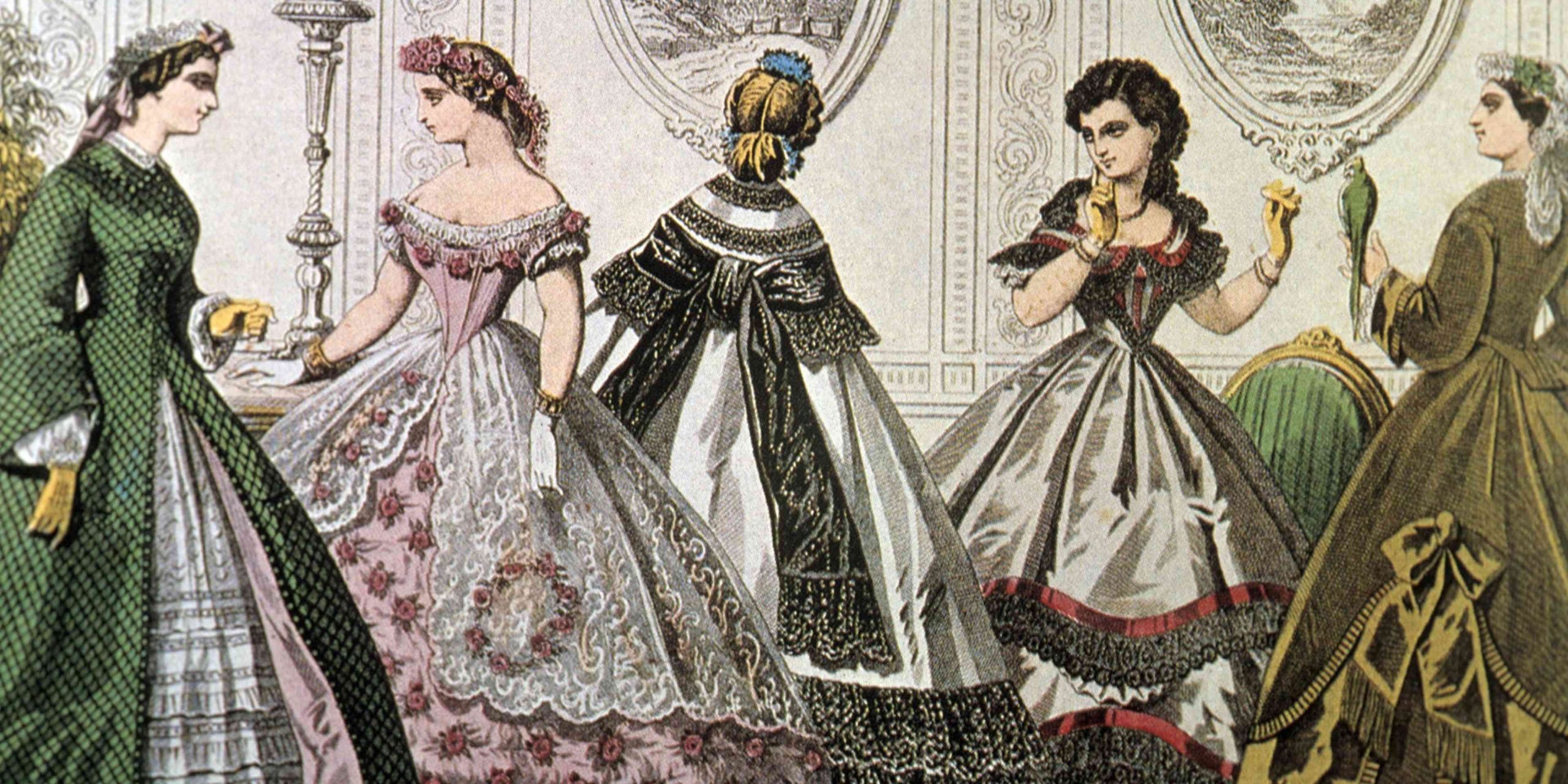
Throughout the 20th century, British women developed unique beauty practices that reflected both personal style and the social context of their time. From the elegance of the 1920s to the natural look of the 1970s, these methods often relied on simple, readily available ingredients and environmentally friendly approaches.
According to historical archives from the Victoria and Albert Museum and documented records on cosmetics in the UK, many traditional beauty techniques have endured because of their safety, affordability, and effectiveness.

1. Homemade Rosewater Toner
Roses have been valued in Britain since medieval times, not only for culinary purposes but also for skincare. Rosewater contains natural plant compounds known for their soothing and mild hydrating properties.
Traditional method:
-
Select pesticide-free rose petals and rinse thoroughly.
-
Steep petals in hot water for 20–30 minutes.
-
Strain the petals, allow the liquid to cool, and store it in a clean glass container.
Benefits:
-
Calms sensitive skin.
-
Helps maintain skin hydration after cleansing.
According to the Royal Horticultural Society (RHS), roses contain phenolic compounds and vitamin C, which contribute to mild antioxidant activity.

2. Oatmeal Face Mask
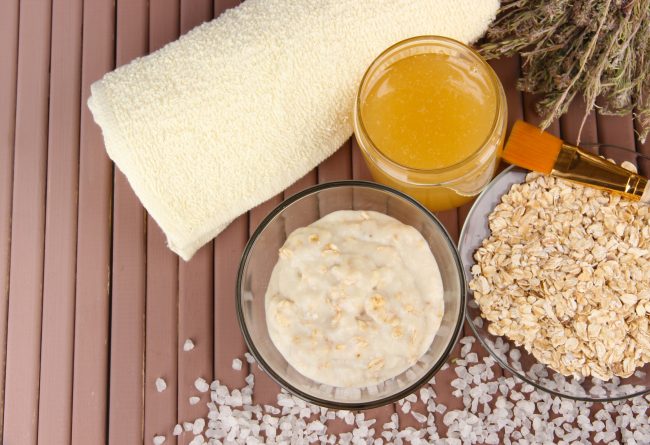
In the 1940s–1950s, during and after wartime rationing, many British women turned to kitchen staples like oats for skincare.
How to make it:
-
Grind oats into a fine powder.
-
Mix with warm water or unsweetened milk.
-
Apply to the face for about 10 minutes, then rinse with cool water.
Benefits:
-
Gently exfoliates dead skin cells.
-
Softens and soothes the skin.
The British Skin Foundation notes that oats contain beta-glucan and avenanthramides, which can help calm irritation.
3. Black Tea Hair Rinse
Black tea, an iconic British beverage, has also been used historically as a natural hair treatment.
How to use:
-
Brew strong black tea and allow it to cool completely.
-
Use as a final rinse after shampooing.
-
Let hair dry naturally.
Benefits:
-
Adds shine to the hair.
-
Enhances warm brown tones in darker hair shades.
The Tea Advisory Panel (UK) states that black tea contains polyphenols, which can help reduce oxidative stress on the scalp and hair.

4. Castor Oil for Eyelashes and Eyebrows
By the 1950s, castor oil was widely available in British pharmacies and promoted for hair and lash conditioning.
How to use:
-
Apply a thin layer to clean eyelashes and eyebrows at night using a cotton swab or clean mascara wand.
-
Rinse off in the morning.
Benefits:
-
Helps keep lashes and brows moisturized, which may support their overall condition.
According to the UK National Health Service (NHS), castor oil is rich in ricinoleic acid, which has hydrating properties for hair and skin.
5. Lifestyle Habits that Supported Beauty
Beyond topical treatments, historical accounts show that British women maintained habits that supported overall well-being:
-
Outdoor walks: Public Health England highlights that natural sunlight exposure aids vitamin D production, important for skin and bone health.
-
Regular tea drinking: Tea is a source of catechins and theaflavins, antioxidants that can support general health.
-
Minimalist makeup: By the 1960s–1970s, British beauty trends often favored natural-looking foundation and subtle lipstick shades, emphasizing understated elegance.
6. Why These Methods Remain Relevant Today
-
Eco-friendly: These techniques rely on biodegradable ingredients, reducing plastic and chemical waste.
-
Cost-effective: They utilize common kitchen and garden items.
-
Simple and safe: Minimal synthetic additives make them suitable for those seeking a “green beauty” approach.
The British Association of Dermatologists recommends patch-testing natural remedies before full application to ensure they suit individual skin types.
Conclusion
The classic beauty secrets of British women in past decades blend tradition, practicality, and resourcefulness. While modern cosmetic science offers countless new options, these natural methods remain valuable for those who appreciate sustainable, affordable, and timeless beauty care.