GR. What happens to your body after gallbladder is removed
Disclaimer: This article is for informational purposes only and does not replace professional medical advice. Always consult a healthcare provider for diagnosis and treatment recommendations.
What Really Happens to Your Body After Gallbladder Removal – A Complete Guide
Gallbladder removal, also known as cholecystectomy, is one of the most common surgeries performed in the United States. Millions of people undergo this procedure each year, most often due to gallstones or other gallbladder-related problems. While the surgery itself is routine and considered safe, many people wonder: What happens to the body once this small but important organ is gone?
In this article, we’ll break down what the gallbladder does, why it sometimes needs to be removed, and the short- and long-term changes you might experience afterward—all based on credible medical sources such as the Cleveland Clinic and Mayo Clinic.
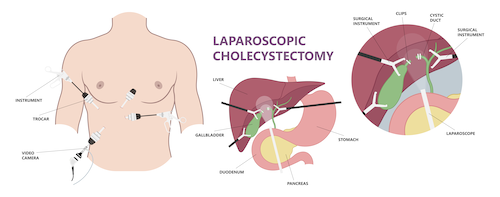
Understanding the Gallbladder’s Role
The gallbladder is a small, pear-shaped organ located under the liver. Its primary function is to store and release bile, a digestive fluid made by the liver. Bile plays a critical role in breaking down dietary fats, making it easier for your body to absorb nutrients.
Here’s how it works:
- When you eat a meal—especially one high in fat—your gallbladder releases stored bile into the small intestine.
- This bile helps emulsify fats, allowing enzymes to digest them more efficiently.
- Between meals, bile stays stored in the gallbladder, ready for the next time it’s needed.
- Without a gallbladder, bile still gets to the digestive tract—but instead of being stored and released in bursts, it flows continuously in smaller amounts.
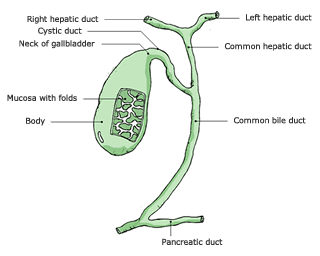
Common Reasons for Gallbladder Removal
According to the Cleveland Clinic, gallbladder removal is usually recommended when the organ causes frequent pain or poses health risks. The most common conditions include:
1. Gallstones (Cholelithiasis)
Gallstones are hardened deposits of digestive fluid that can range in size from tiny grains of sand to golf balls. While some cause no symptoms, others can block bile flow, leading to pain, nausea, or inflammation.
2. Cholecystitis
This is the inflammation of the gallbladder, often caused by a gallstone blocking the bile duct. It can cause severe pain, fever, and sometimes requires urgent surgery.
3. Gallstone Pancreatitis
When a gallstone blocks the pancreatic duct, it can inflame the pancreas. This is a serious condition requiring immediate medical care.
4. Gallbladder Cancer (Rare)
Gallbladder cancer is rare but can be life-threatening if not detected early. Persistent abdominal discomfort should always be evaluated by a healthcare provider.

Signs Your Gallbladder Might Be Troubled
Gallbladder problems can cause a range of symptoms, including:
- Pain in the upper right abdomen or center of the stomach
- Pain that radiates to the right shoulder or back
- Pain after eating fatty meals
- Nausea or vomiting
- Fever or chills
- Jaundice (yellowing of the skin and eyes)
- Changes in urine or stool color
If you experience these symptoms, it’s important to seek medical advice promptly.
What Changes After Gallbladder Removal?
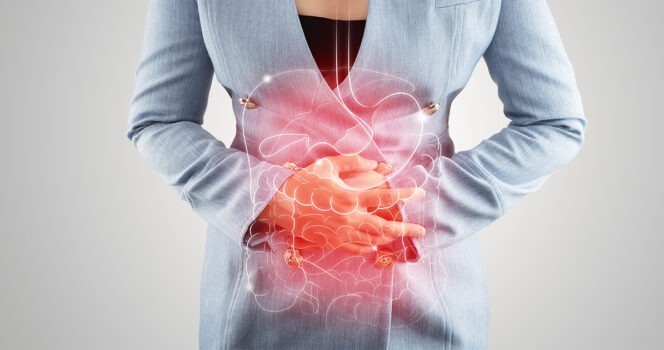
Once your gallbladder is removed, your liver continues producing bile, but it no longer has a storage location. Instead, bile trickles directly into your small intestine.
Most people adjust without any major issues. However, there can be some temporary side effects during recovery:
1. Changes in Fat Digestion
Without stored bile, your body may not digest large amounts of fat as efficiently. High-fat meals may cause discomfort, especially in the first few weeks after surgery.
2. Temporary Diarrhea or Loose Stools
Some people experience bile acid diarrhea, which occurs when excess bile irritates the intestines. This usually improves with dietary adjustments.
3. Gas and Bloating
Digestive changes can lead to bloating, gas, or mild cramping. Eating smaller, balanced meals often helps.

Tips for a Smooth Recovery
Medical experts, including those at the Mayo Clinic, recommend gradual lifestyle adjustments to help your body adapt:
Eat Smaller, More Frequent Meals
This helps your digestive system process food more effectively without overloading it.
Limit High-Fat Foods
Avoid fried foods, fatty meats, creamy sauces, and heavy gravies—especially in the early recovery phase.
Increase Fiber Intake Gradually
Fiber helps regulate bowel movements, but introducing too much too quickly can cause gas and discomfort.
Stay Hydrated
Drink water, herbal teas, or electrolyte-rich fluids, especially if you’re experiencing diarrhea.
Avoid Common Irritants
Limit caffeine, dairy, and sugary snacks if they worsen your symptoms.

The Long-Term Outlook
The good news is that most people live completely normal, healthy lives without a gallbladder. While digestion may feel slightly different at first, your body is highly adaptable. Many individuals return to their usual diet within a few months, although some prefer to stick with lighter, lower-fat meals.
A small percentage of people may experience ongoing digestive issues, a condition known as postcholecystectomy syndrome. If you have persistent discomfort, diarrhea, or bloating months after surgery, your doctor can recommend treatments such as bile acid binders or specific dietary changes.
Final Word
Gallbladder removal can be a life-changing procedure for those suffering from chronic pain or complications caused by gallstones and other conditions. By understanding how your body adapts and making mindful dietary choices, you can support your digestive health and enjoy a full, active life—without this small but important organ.