GR. Vibrio vulnificus: New Orleans Man’s Death Highlights Risks of Flesh-Eating Bacteria in Coastal Waters
New Orleans, Louisiana — Health officials along the Gulf Coast are once again urging the public to take precautions after a Louisiana resident became the latest victim of Vibrio vulnificus, a rare but potentially life-threatening bacteria found in warm coastal waters.
Basil Kennedy, 77, from New Orleans, passed away on July 21, 2025, following complications from an infection he contracted earlier in the month. His death marks the ninth fatality in the United States this year attributed to Vibrio vulnificus, according to official reports from state health departments in Louisiana and Florida.

How the Incident Occurred
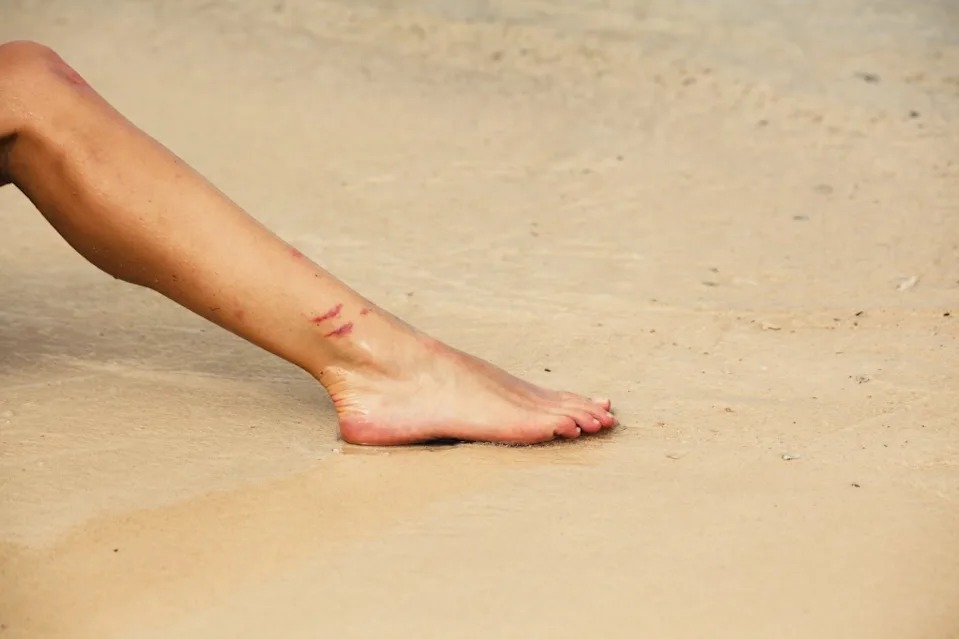
According to family accounts and public health information, Kennedy sustained a small leg injury while launching his boat near his Bay St. Louis home during a sailing trip. The scratch, caused by contact with his trailer, later became the entry point for the bacteria.
While Vibrio vulnificus infections remain relatively uncommon, the U.S. Centers for Disease Control and Prevention (CDC) notes that they can develop quickly when bacteria enter through open wounds, cuts, piercings, or even fresh tattoos.
Within three days of the injury, Kennedy began to experience symptoms including fever, vomiting, and signs of septic shock. He was admitted to the hospital, where doctors performed emergency surgery to remove necrotic (dead) tissue from the infected area. Laboratory testing confirmed the presence of Vibrio vulnificus. Despite medical intervention, Kennedy’s condition worsened, and he died from organ failure.
Family Advocates for Awareness
Kennedy’s daughters, Kay Kennedy Regimbal and Rebekah Kennedy, have shared their father’s story to raise public awareness about Vibrio vulnificus and the importance of timely wound care.
While mourning their loss, they emphasized that their intention is not to discourage people from enjoying the water, but to encourage education on safety measures. They noted that their family has cherished the Gulf Coast for decades and that knowledge of how to protect against infection is essential for safe recreation.
Understanding Vibrio vulnificus
Vibrio vulnificus is a naturally occurring bacterium found in warm, brackish, or saltwater environments, especially along the Gulf of Mexico, the Atlantic coast, and other warm coastal regions worldwide.
According to the CDC:
- It causes an estimated 80,000 illnesses annually in the United States.
- Approximately one in five infections can be fatal, sometimes within one to two days after symptoms appear.
- People at greater risk of severe illness include those with weakened immune systems, chronic liver disease, or other underlying health conditions.
Infections can occur in two primary ways:
- Through Wounds: When an open wound comes into contact with saltwater, brackish water, or raw seafood contaminated with the bacteria.
- Through Food Consumption: By eating raw or undercooked shellfish, particularly oysters, that contain Vibrio vulnificus.
Symptoms to Watch For
The CDC lists the most common symptoms of wound infections caused by Vibrio vulnificus as:
- Fever and chills
- Redness, swelling, or warmth around the wound
- Severe pain
- Fluid-filled blisters
- Skin discoloration
In more advanced cases, tissue damage can spread quickly, requiring urgent medical treatment.
2025 Cases and Regional Impact
In 2025, health departments in Louisiana and Florida have reported higher-than-usual case numbers. Louisiana has confirmed four deaths this year from Vibrio vulnificus, while Florida has reported five deaths, bringing the nationwide total to at least nine fatalities.
The Louisiana Department of Health (LDH) stated in a recent advisory that this year’s infection rate is higher than average, particularly during the warmer months when the bacteria multiply more rapidly in coastal waters.
Preventive Measures
Public health officials stress that most people who come into contact with the bacteria will not get sick, and that infections are preventable with proper precautions. The CDC, LDH, and other state agencies recommend the following steps:
For Wound Protection:
- Avoid exposing open wounds, cuts, scrapes, or recent piercings/tattoos to warm saltwater or brackish water.
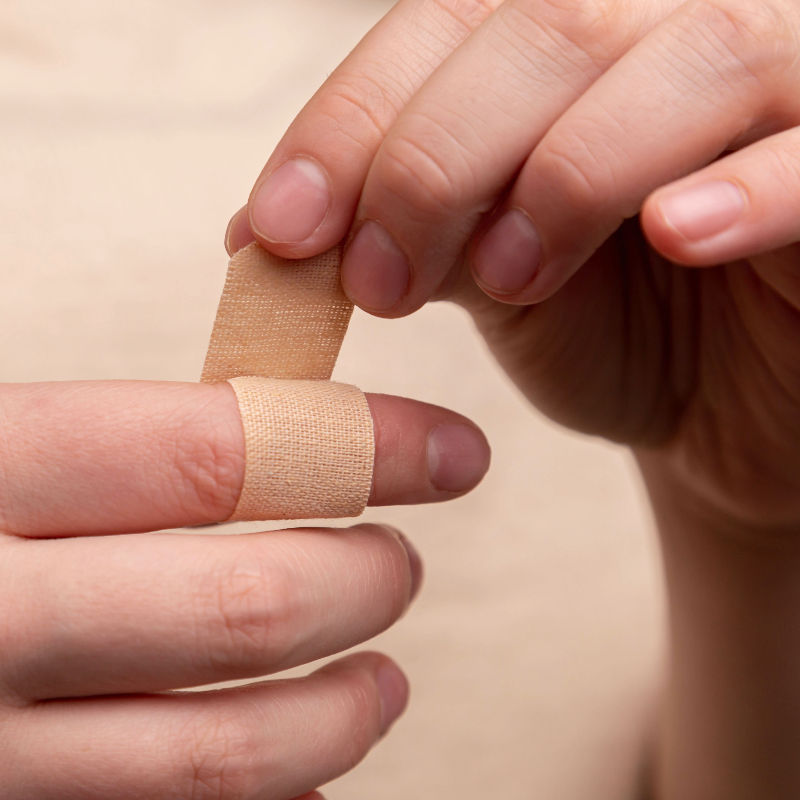
- If contact is unavoidable, use a waterproof bandage to cover the wound.
- Wash any wound immediately with soap and clean running water after contact with seawater.
For Food Safety:
- Do not eat raw or undercooked shellfish, especially oysters.
- Cook shellfish thoroughly to an internal temperature of at least 145°F (63°C).
- Wash hands with soap and water after handling raw seafood.
What to Do If You Suspect Infection
If you notice any symptoms such as fever, increasing redness or swelling at a wound site, or severe pain after contact with coastal waters, seek medical attention immediately. Early diagnosis and treatment significantly improve outcomes. Treatment often includes antibiotics and, in severe cases, surgery to remove infected tissue.
Environmental and Seasonal Considerations
Vibrio vulnificus levels peak during warmer months, typically from May through October, when coastal waters reach higher temperatures. Climate patterns, such as warmer-than-average sea temperatures, may also contribute to increased bacterial growth.
The National Oceanic and Atmospheric Administration (NOAA) and other environmental agencies continue to monitor coastal water conditions, providing updates that can help guide safe recreational and commercial water activities.
A Lasting Message
Basil Kennedy’s death serves as a reminder that while the Gulf Coast’s waters are a source of joy for many, they also require respect and caution. His family hopes that sharing his story will encourage others to take preventive measures without giving up beloved water activities.
By understanding the risks, recognizing early symptoms, and acting quickly, the chances of recovery from a Vibrio vulnificus infection can be greatly improved.

Sources:
-
Centers for Disease Control and Prevention — Vibrio vulnificus
-
Louisiana Department of Health
-
Florida Department of Health
-
National Oceanic and Atmospheric Administration (NOAA)