GR. Mom warns after teen almost dies in freak phone charger accident

Oklahoma, April 2024 – A 16-year-old from Oklahoma recently experienced a frightening accident involving a phone charger, prompting his mother to speak out and warn other families. Her message is clear: simple charging habits can make a big difference in preventing electrical hazards at home.

Incident That Prompted the Warning
On the morning of April 20, 2024, Danielle Davis woke up to her teenage son Rayce calling out in distress. She rushed to check on him and learned that something had gone wrong while his phone was charging beside his bed overnight.
Rayce explained that he had shifted positions in bed when his metal necklace accidentally made contact with the exposed prongs of a charger plug connected to an extension cord. This unexpected electrical contact caused him sudden pain and alarm.
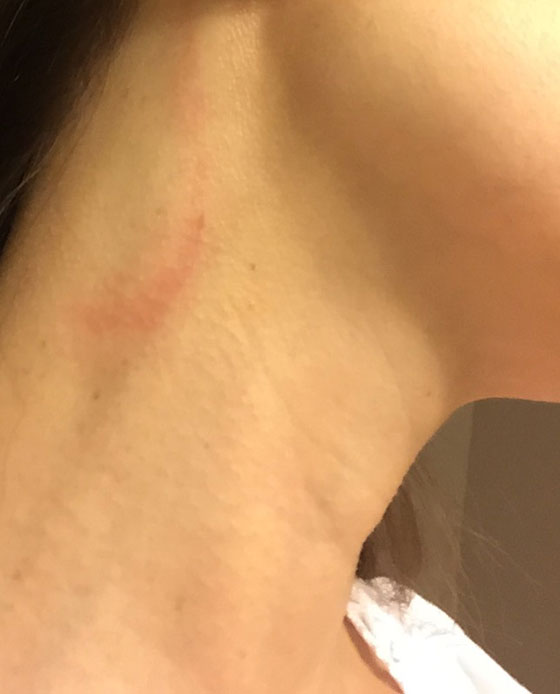
Danielle acted quickly, taking her son to Integris Health Baptist Medical Center for evaluation. Doctors confirmed that he had suffered burns on his neck, but they were relieved to find that his condition was stable and not life-threatening.
How the Accident Happened
According to the family’s account, the chain of events was both simple and avoidable. Rayce’s phone was charging on the bed via an extension cord. Overnight, part of the charger plug was exposed, and the necklace he was wearing completed an unintended electrical circuit when it touched the metal prongs.
While accidents like this are relatively rare, experts say they highlight an important truth: mixing conductive materials like metal jewelry with exposed electrical components is dangerous — even in low-voltage devices like phone chargers.
Mother’s Public Safety Message
Danielle now urges other parents and teenagers to be more cautious about how and where they charge their devices.
“There’s no text message or notification worth the risk of charging your phone in bed,” she explained. “Keeping chargers off the bed and away from pillows is a simple way to prevent something like this from happening.”
She also advises against using extension cords for long-term charging, particularly for small electronics like phones and tablets, as they can become a point of failure if damaged.

Electrical Safety Experts Weigh In
Electrical safety specialists agree that this incident should be taken seriously. According to the U.S. Consumer Product Safety Commission (CPSC), thousands of household electrical accidents occur each year, many of them involving small appliances or chargers.
Michael Andrews, a certified electrical safety consultant, notes:
-
Even low-voltage devices can cause harm if they come into contact with skin in the wrong way.
-
Damaged or exposed electrical parts should be replaced immediately.
-
Extension cords should be used temporarily, not as a permanent solution for charging.
Practical Tips for Safe Phone Charging at Home
If you or your family regularly charge devices overnight, here are some CPSC-recommended safety practices that can help reduce risks:
1. Charge on a Hard, Flat Surface
Avoid placing chargers or devices on bedding, sofas, or other soft materials that can overheat or hide the charging equipment.
2. Keep Metal Away from Chargers
Jewelry, coins, or any other conductive material can cause an electrical connection if it touches exposed prongs or damaged cords.
3. Use Certified Chargers
Look for chargers with certification marks from recognized safety organizations (UL, ETL, or CSA) to ensure they meet safety standards.
4. Inspect Cords Regularly
Frayed wires, bent plugs, or loose connections should be replaced immediately to prevent overheating or sparks.
5. Avoid Overloading Outlets
Multiple high-draw devices on the same extension cord or power strip can cause overheating and increase the chance of electrical failure.
6. Unplug When Not in Use
If you’re not actively charging, unplugging the device and charger reduces the risk of damage or accidents.
Why Extension Cords Require Extra Caution
Extension cords are a common household tool, but they are also a frequent cause of electrical accidents. Safety guidelines from the National Fire Protection Association (NFPA) warn against using them as a permanent power source for devices.
Instead, use a surge-protected power strip with built-in safety features. These products often include automatic shut-off capabilities that cut power in case of overheating or a short circuit.
Signs of a Potential Charger Hazard
Being proactive about device safety means knowing what to look for. If you notice any of the following signs, stop using the charger immediately:
-
A burning smell coming from the cord or plug.
-
Excessive heat when the charger is in use.
-
Visible damage, fraying, or discoloration.
-
Intermittent charging or the need to “wiggle” the cord for a connection.

A Reminder for Parents and Teens
Rayce’s story could have ended much worse, and his family is thankful for the quick action and positive outcome. Danielle hopes that by speaking out, she can help other families avoid similar scares.
The key takeaway for both parents and teens is that electrical safety begins with small habits:
-
Keep chargers off the bed.
-
Avoid using damaged cords.
-
Unplug when not in use.
Final Thoughts: Making Safety a Daily Routine
While most of us rely on phone chargers every day, it’s easy to forget that they are electrical devices capable of causing harm if misused. This incident is a reminder to treat chargers with the same caution we give to other appliances.
With a few simple changes — like charging on a nightstand instead of the bed and checking cords for damage — families can greatly reduce the risk of electrical accidents at home.