GR. Doctors Warn Against Viral Hot Spoon Mosquito Hack: What You Should Do Instead
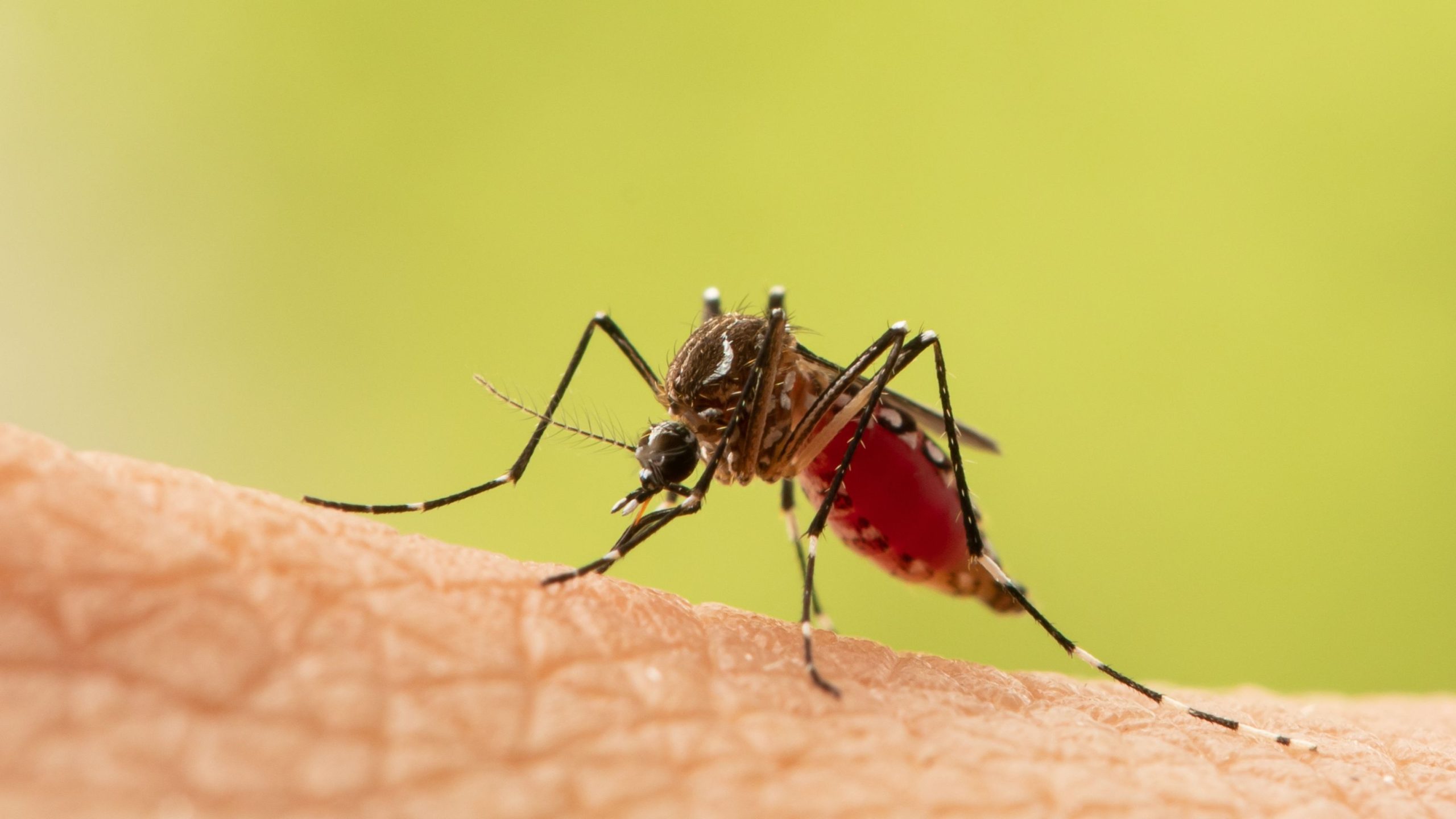
With the return of summer comes warm evenings, outdoor gatherings, and unfortunately, the constant buzzing of mosquitoes. Alongside their irritating presence, mosquito bites are one of the season’s biggest annoyances. As people look for quick relief, social media has become a hub for DIY remedies — and one viral trend has caught particular attention: the hot spoon mosquito bite hack.
The method, which involves heating a spoon and pressing it onto a mosquito bite, has gone viral across TikTok and other platforms, with millions of views. While some users swear it provides almost instant relief, medical experts caution against it. According to dermatologists, this home remedy may provide only temporary relief at best, but it also carries real risks of burns and skin damage.
So, should you try the hot spoon hack or skip it altogether? Let’s break down what science — and doctors — really say about this trend.

Why Mosquitoes Bite in the First Place
Before diving into the hot spoon method, it’s worth understanding what causes the itchy bumps in the first place.
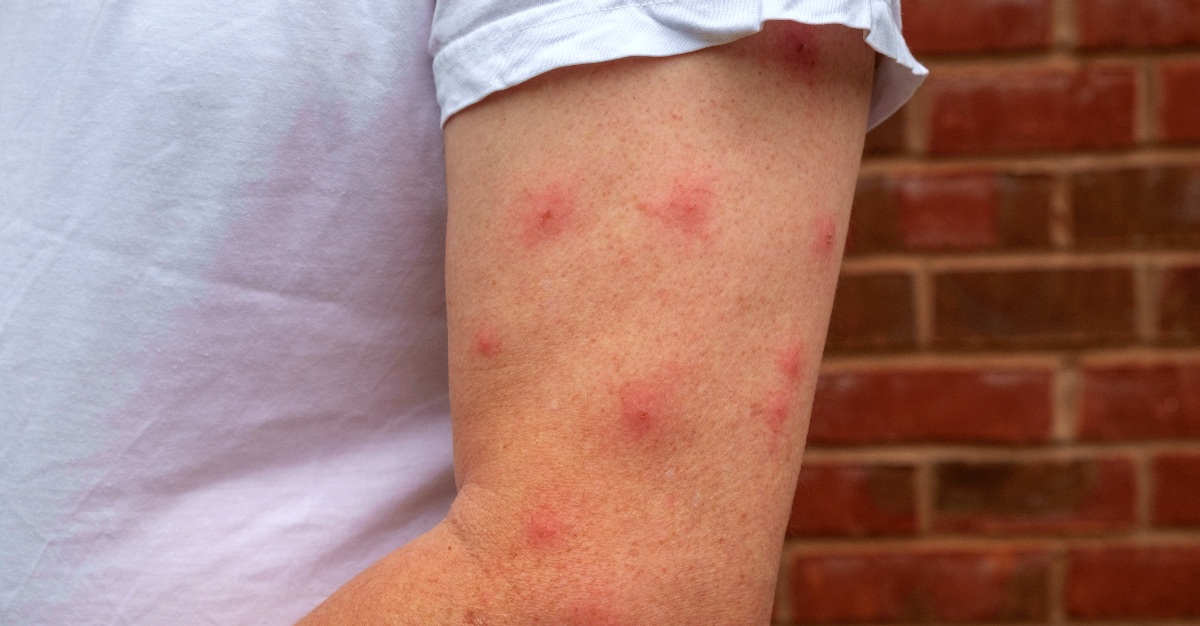
According to the Mayo Clinic, mosquito bites occur when female mosquitoes feed on human blood, which they need to produce eggs. As they bite, mosquitoes inject saliva into the skin. This saliva contains proteins that trigger an immune system response, leading to the itching, redness, and swelling that so many of us are familiar with.
The itch itself isn’t dangerous, but it can be extremely uncomfortable. For some people with sensitivities, bites can become more inflamed, and excessive scratching can even lead to infection. It’s no wonder so many people are willing to try almost anything for quick relief.
The Viral Hot Spoon Hack Explained
On TikTok and other social platforms, users demonstrate how the hack works:
-
Heat a metal spoon in hot water for 20–30 seconds.
-
Press the warm spoon gently onto the mosquito bite.
-
Hold it for a few seconds, claiming the itch disappears almost instantly.
Some users describe it as a “miracle fix,” saying relief lasts for hours. Videos demonstrating the method have accumulated millions of views, with many people trying it at home.
And surprisingly, there is a small bit of science behind the idea.

Does Heat Actually Help?
Medical experts explain that applying heat to a mosquito bite can provide temporary counter-stimulation.
Dr. Calvin Williams, a board-certified dermatologist, explains that heat distracts nerve cells from sending itch signals to the brain. In other words, the warmth tricks your body into focusing on the heat instead of the itch, which can make it feel like the irritation has gone away.
However, dermatologists emphasize that this is short-term relief only. The itch often comes back within minutes or a few hours. More importantly, heat does not reduce inflammation, swelling, or the body’s immune response — it only masks the sensation.

Why Doctors Warn Against It
Despite the science, most medical professionals strongly advise against trying the hot spoon hack at home.
Dr. Kevin Wang, a dermatologist at Stanford and physician at the VA Palo Alto Medical Center, highlights the risks:
-
Burns are the biggest concern. Most people don’t measure the temperature of the water before heating a spoon. If the spoon is too hot, it can cause first-degree burns or blistering.
-
Sensitive skin is more vulnerable. Children, people with skin conditions, or those with thinner skin are at higher risk of injury.
-
It doesn’t address the cause. The spoon doesn’t reduce histamine reactions — the actual source of swelling and itching.
Simply put, the potential harm outweighs the minimal short-term benefit.
Safer At-Home Remedies for Mosquito Bites
Instead of resorting to heated cutlery, experts recommend tried-and-true methods that are both safe and effective. These include:
1. Cold Compress or Ice Pack
Applying an ice pack for 5–10 minutes reduces swelling and numbs the skin, offering immediate relief. Cold is considered one of the safest and most effective remedies.
2. Topical Creams
Over-the-counter creams like hydrocortisone or calamine lotion calm the immune reaction and reduce itching. Antihistamine creams can also be effective.
3. Oral Antihistamines
For people with multiple bites, non-drowsy antihistamines such as cetirizine (Zyrtec) or fexofenadine (Allegra) can reduce overall itching and inflammation.
4. Natural Remedies
-
Baking soda paste: Mix baking soda with a little water and apply directly to the bite.
-
Colloidal oatmeal baths: Known for soothing irritation, oatmeal baths help calm itching, especially if you have multiple bites.
-
Aloe vera gel: Naturally cooling and anti-inflammatory.

When to See a Doctor
Most mosquito bites are harmless and go away within a few days. However, medical attention may be necessary if you notice:
-
Severe swelling or redness spreading beyond the bite area.
-
Signs of infection, such as pus or increased pain.
-
Allergic reactions, including difficulty breathing, swelling of the lips, or dizziness (seek emergency help immediately).
-
Symptoms of mosquito-borne illness, such as fever, headache, or body aches, especially if you live in or have traveled to areas with high rates of diseases like West Nile virus, dengue, or malaria.

Final Thoughts
The viral hot spoon mosquito hack may seem like a clever summer trick, and while a warm compress can provide a little short-term relief, experts agree it is not worth the risk of burns and skin damage. Safe alternatives like ice packs, topical creams, and antihistamines remain the best ways to ease itching and swelling.
When it comes to mosquito bites, prevention is also key. Using insect repellent, wearing protective clothing outdoors, and keeping windows screened can greatly reduce your chances of being bitten.
So next time a mosquito finds you, skip the spoon. Instead, reach for remedies that soothe without scarring — your skin will thank you.