GR. Cracking the Secret Codes on Egg Cartons: How to Choose the Freshest Eggs
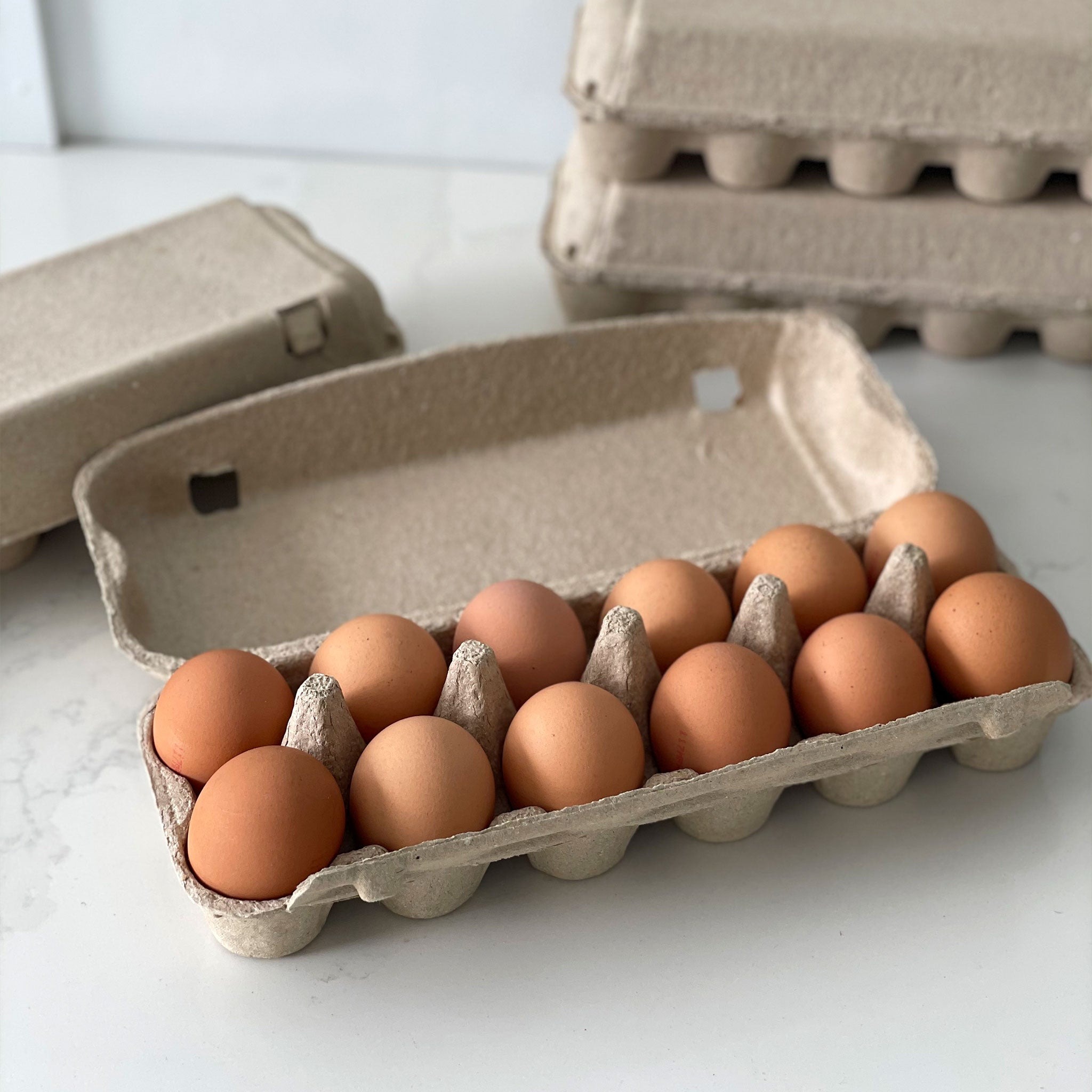
Eggs are a staple in kitchens worldwide. Whether you prefer them scrambled for breakfast, poached for brunch, baked into cakes, or incorporated into savory dishes, their versatility and nutritional value make them a favorite ingredient. But did you know that those numbers printed on egg cartons reveal more than just the expiration date? Understanding these codes can help you ensure that the eggs you’re buying are as fresh and high-quality as possible.
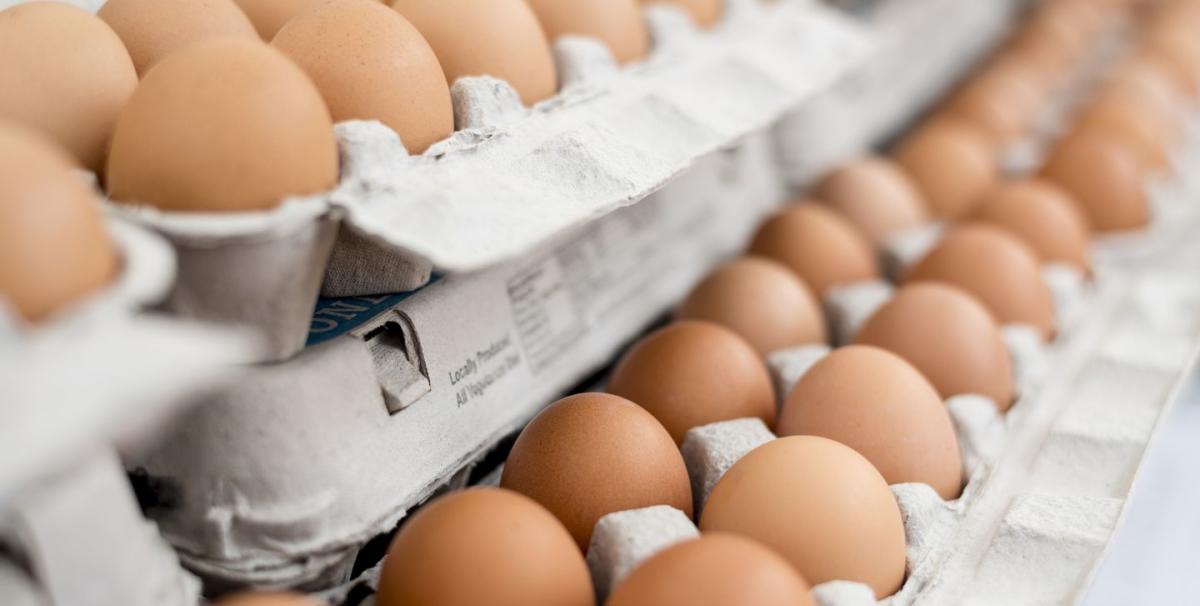
What Are the Numbers on Egg Cartons?
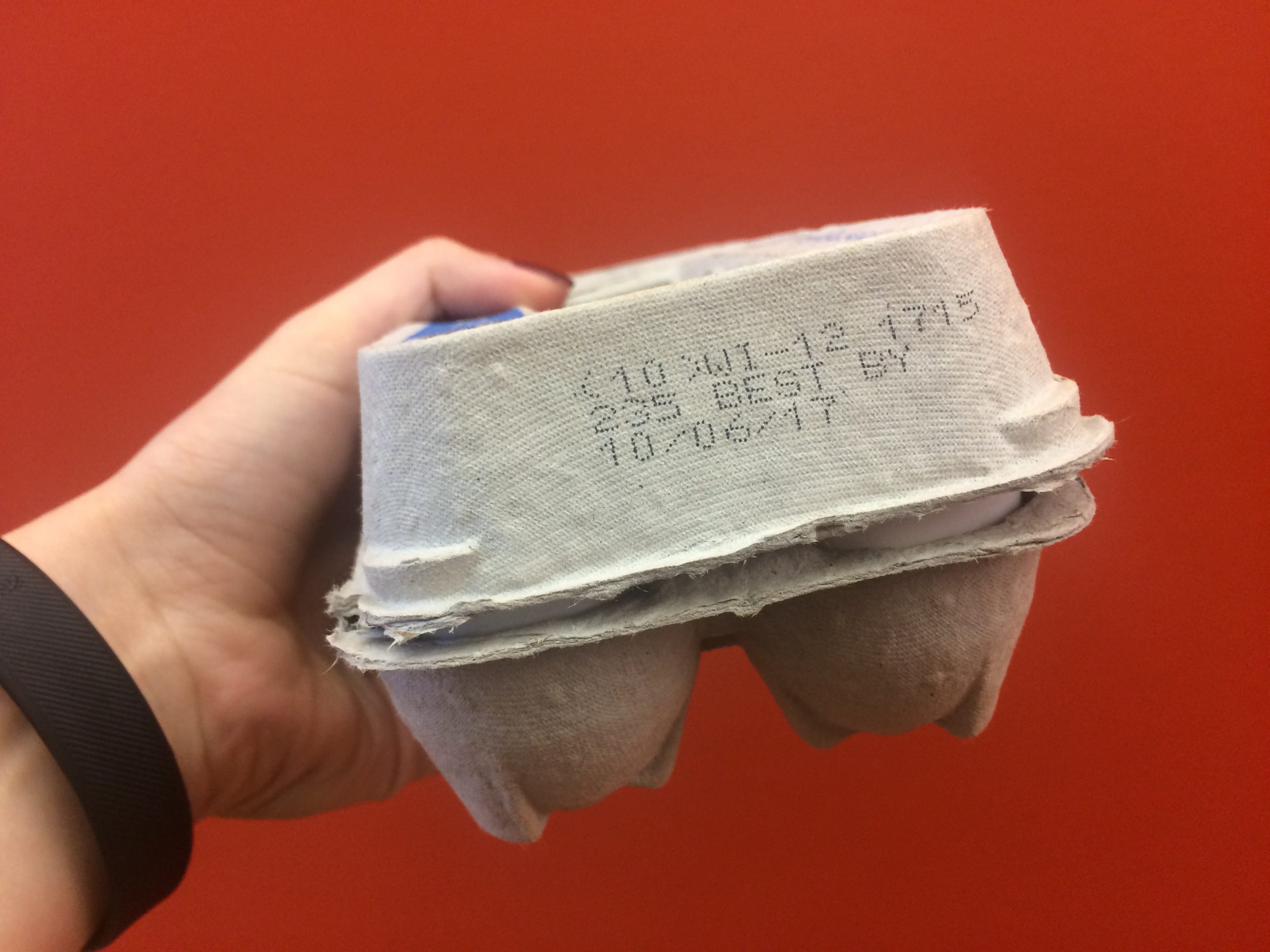
Most egg cartons display more than just a sell-by or best-before date. The most important piece of information is something called the Julian date. This three-digit number represents the exact day of the year the eggs were packaged. For example, “001” corresponds to January 1, while “365” represents December 31. If you see a code like “045,” it means the eggs were packed on February 14.
This system, explained by the United States Department of Agriculture (USDA), allows shoppers to determine freshness with greater accuracy than relying on the sell-by date alone. The sell-by date often extends several weeks beyond the packaging date, so by checking the Julian date, you can pick cartons containing eggs that have spent less time on the shelf.
Understanding the Plant Code
Next to the Julian date, there is usually a code starting with the letter “P” followed by four digits. This is the plant code, which identifies the facility where the eggs were processed and packaged. In cases of product recalls, the plant code becomes especially important because it helps consumers check whether their purchase is affected. The Food and Drug Administration (FDA) maintains an online resource where you can match plant codes to specific facilities.
Why Freshness Matters
Fresh eggs are not only better in taste but also in texture and safety. According to the USDA, eggs remain fresh for about four to five weeks after the packaging date, although regulations allow them to be sold up to 30 days afterward. This means an egg can be legally sold even if it is already several weeks old.
Older eggs lose moisture and carbon dioxide over time, which can cause the yolks to become flatter and the egg whites to thin out. While these changes do not necessarily make eggs unsafe, they can affect the quality of dishes that rely on firm whites or perky yolks, such as meringues, poached eggs, or soufflés.
When possible, look for cartons with a Julian date closest to your purchase date. This simple habit ensures you’re getting eggs at their peak.
Storing Eggs Correctly
Once you’ve selected fresh eggs, proper storage is essential to maintaining their quality. Keep eggs in their original carton, which helps protect them from absorbing strong odors in the refrigerator. Store them in the coldest part of the fridge — typically a middle or lower shelf — rather than on the door, where temperature changes are more frequent.
If stored properly, eggs can be used up to three to five weeks from the day of purchase. However, the sooner you consume them, the better the taste and texture.
How to Tell if an Egg Has Gone Bad
If you are unsure about an egg’s freshness, there are a few simple tests you can try at home.
The float test involves placing the egg in a bowl of water. Fresh eggs sink and lay flat on the bottom, slightly older eggs may stand upright, and spoiled eggs float due to the buildup of air inside the shell.
You can also perform the crack test by breaking the egg into a clean bowl. A fresh egg will have a firm, rounded yolk and thick egg white, while an older egg will have a flatter yolk and more watery whites. If there is an unpleasant odor, the egg should be discarded immediately.
Buying Eggs Like a Pro
When you’re in the store, always buy eggs from a refrigerated section. Check the carton for any cracks or dirt on the shells, as clean and intact eggs are less likely to carry bacteria. If available, choose eggs that carry the USDA Grade shield, which indicates they meet strict quality standards.
It’s also wise to buy only the number of eggs you expect to use within a few weeks, rather than stocking up, to reduce the risk of waste.
What to Do With Eggs Nearing Expiration
Sometimes, despite your best intentions, you may end up with eggs approaching their sell-by date. Rather than throwing them out, consider using them in recipes where slight changes in texture won’t be noticeable. Quiches, frittatas, and breakfast burritos are excellent savory options. For baking, cakes, brownies, and quick breads are forgiving recipes that work well with slightly older eggs. You can also prepare desserts like custards or bread pudding, which put eggs to delicious use.
A Note on Safety
It’s important to remember that the dates on an egg carton indicate quality, not safety. Eggs can still be safe to eat beyond the sell-by date if stored properly, but the taste and texture will decline over time. The USDA and FDA both recommend keeping eggs refrigerated at all times to reduce the risk of foodborne illness. Never consume eggs with a foul odor, discoloration, or visible mold.
Conclusion
The printed codes on egg cartons are more than just packaging details — they are tools to help you buy the freshest eggs and store them properly. The Julian date tells you exactly when the eggs were packaged, while the plant code reveals where they were processed. Using this information, along with proper storage and freshness tests, you can ensure your eggs are both safe and high-quality.
The next time you’re at the grocery store, take a moment to check the Julian date and compare it with the sell-by date. Choosing fresher eggs can make a noticeable difference in your cooking and baking, and it’s a simple step toward better food safety at home.