GR. When Botox Becomes “Butt-tox”: How a Common Treatment is Helping with Anal Fissures and Constipation
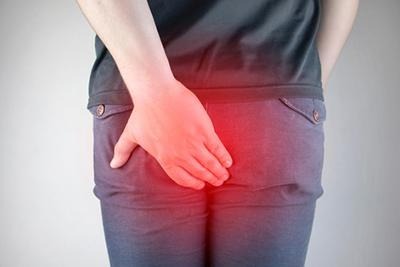
Most people think of Botox as something used to smooth wrinkles or reduce fine lines on the face. Yet, in recent years, this well-known injectable has found an unexpected new role far away from cosmetic clinics. Medical specialists are now turning to Botox as a way to treat painful anal fissures and chronic constipation, giving rise to the nickname “Butt-tox.” While the name may sound lighthearted, the reality behind it is quite serious, because the conditions being treated can make everyday life incredibly uncomfortable.
Understanding Anal Fissures
An anal fissure is a small tear in the delicate tissue lining the anus. Though tiny in size, it can cause significant pain, bleeding, and discomfort during bowel movements. For many, this leads to fear of using the bathroom and cycles of constipation that only make the problem worse. Anal fissures affect hundreds of thousands of people every year, but many hesitate to speak about them openly due to embarrassment. This silence often delays treatment, allowing the condition to worsen.
In the early stages, fissures may heal on their own with rest, hydration, and proper diet. Warm baths and over-the-counter creams can sometimes help relieve symptoms. However, when fissures become chronic, scar tissue develops, and the pain can become constant. At this point, more advanced treatments are usually necessary.
Traditional Treatments
Doctors typically begin with conservative approaches. Prescription creams can reduce inflammation and relax the muscles around the tear, making it easier to heal. Stool softeners help prevent straining, and dietary changes can keep bowel movements smooth. Warm baths, sometimes called sitz baths, are recommended to soothe the area and increase blood flow.
If these measures do not work, doctors may explore further options. One method is dilation therapy, in which medical professionals gently stretch the affected muscles to reduce pressure and help tissue repair itself. This form of physical therapy is effective for some patients, but others continue to struggle with ongoing pain and difficulty.
The Rise of “Butt-tox”
For people whose fissures do not respond to standard care, Botox injections have become an effective next step. The principle is straightforward. By injecting a small amount of Botox into the anal sphincter, the muscle relaxes, pressure decreases, and the fissure has a better chance of healing. The relief usually lasts three to four months, and in many cases, patients undergo a series of treatments until the tissue fully recovers.
This approach may sound unusual, but it has been gaining respect in the medical community because it offers results without major surgery. For patients who have been in pain for months or even years, Botox provides a safe and minimally invasive path to healing. Some doctors combine Botox with pelvic floor therapy to maximize effectiveness, ensuring both the muscles and the surrounding tissues regain balance and strength

Surgery as a Last Resort
Not every fissure responds to injections. In long-standing cases where scar tissue is severe, surgery may still be necessary. Surgical procedures are designed to remove the damaged tissue and allow healthy tissue to form. Although effective, surgery comes with longer recovery times and higher risks, which is why most specialists recommend it only after other treatments have failed. For many patients, Botox acts as a bridge that can prevent surgery altogether.
Constipation and Muscle Dysfunction
Beyond anal fissures, Botox has shown promise in treating chronic constipation caused by muscle dysfunction. Some people experience constipation not because of diet or hydration but because their pelvic floor muscles fail to coordinate properly. This condition, sometimes called pelvic floor dyssynergia, makes it difficult for the body to relax enough for normal bowel movements.
Botox injections can help by calming the overactive muscles, allowing the body to function more naturally. When paired with biofeedback therapy, which retrains the pelvic floor to work in harmony, the results are often remarkable. This combination has been especially useful for people who have tried dietary changes and laxatives without success.

Applications in Children and Chronic Pain
Although most treatments are performed on adults, Botox has also been used in pediatric cases of severe constipation. Children with conditions that affect bowel function sometimes respond well to injections, giving them relief and improving quality of life. Doctors carefully monitor these cases to ensure safety, but results so far have been positive.
In addition, Botox has been studied for chronic anorectal pain. Patients who experience ongoing discomfort in the absence of clear physical damage sometimes find relief after targeted injections. While not a cure-all, this treatment offers hope for those who have exhausted other options.
Myths and Misuses
With growing awareness of anal Botox treatments, some clinics have marketed it under the name “holetox” for purposes outside traditional medicine, such as cosmetic rejuvenation or easing discomfort during sexual activity. While these uses may attract attention, experts caution against pursuing them casually. Botox is a powerful drug, and when misused, it can cause serious side effects, including loss of bowel control. Safe application requires medical necessity and the supervision of a qualified professional.
Prevention and Everyday Care
Although modern treatments like Botox provide relief, prevention remains the best approach. Staying hydrated, maintaining a diet rich in fiber, and avoiding excessive straining during bowel movements all reduce the risk of fissures. For those who use anal toys or engage in activities that place pressure on sensitive tissue, proper lubrication and moderation are important. Women may need to be especially careful, as the skin in this area tends to be more delicate.
Good toilet habits also make a difference. Taking time, avoiding excessive pushing, and recognizing early warning signs can prevent minor irritation from developing into a serious tear. By protecting the tissues and keeping bowel movements smooth, many people can avoid the painful cycle that leads to chronic fissures.

A Path Toward Relief
What once might have been a condition treated only with creams or surgery now has an intermediate option that is changing lives. Botox injections, once reserved for cosmetic use, have become a valuable medical tool for addressing issues that patients are often too embarrassed to discuss. By reducing muscle tension, relieving pain, and promoting healing, “Butt-tox” is giving people back comfort, confidence, and control.
The idea may still sound surprising, but for patients who have endured the agony of fissures or the frustration of unrelenting constipation, the treatment represents more than just an unusual nickname. It symbolizes a new chapter in medical care, where innovative solutions bring relief to conditions that once felt hopeless.