GR. Popping Pimples in the “Triangle of Death” Could Be Dangerous: What Doctors Want You to Know
For many people, seeing a pimple in the mirror triggers the urge to pop it immediately. While the habit might seem harmless, dermatologists warn that popping pimples in a certain part of the face — known as the “triangle of death” — can carry serious health risks.
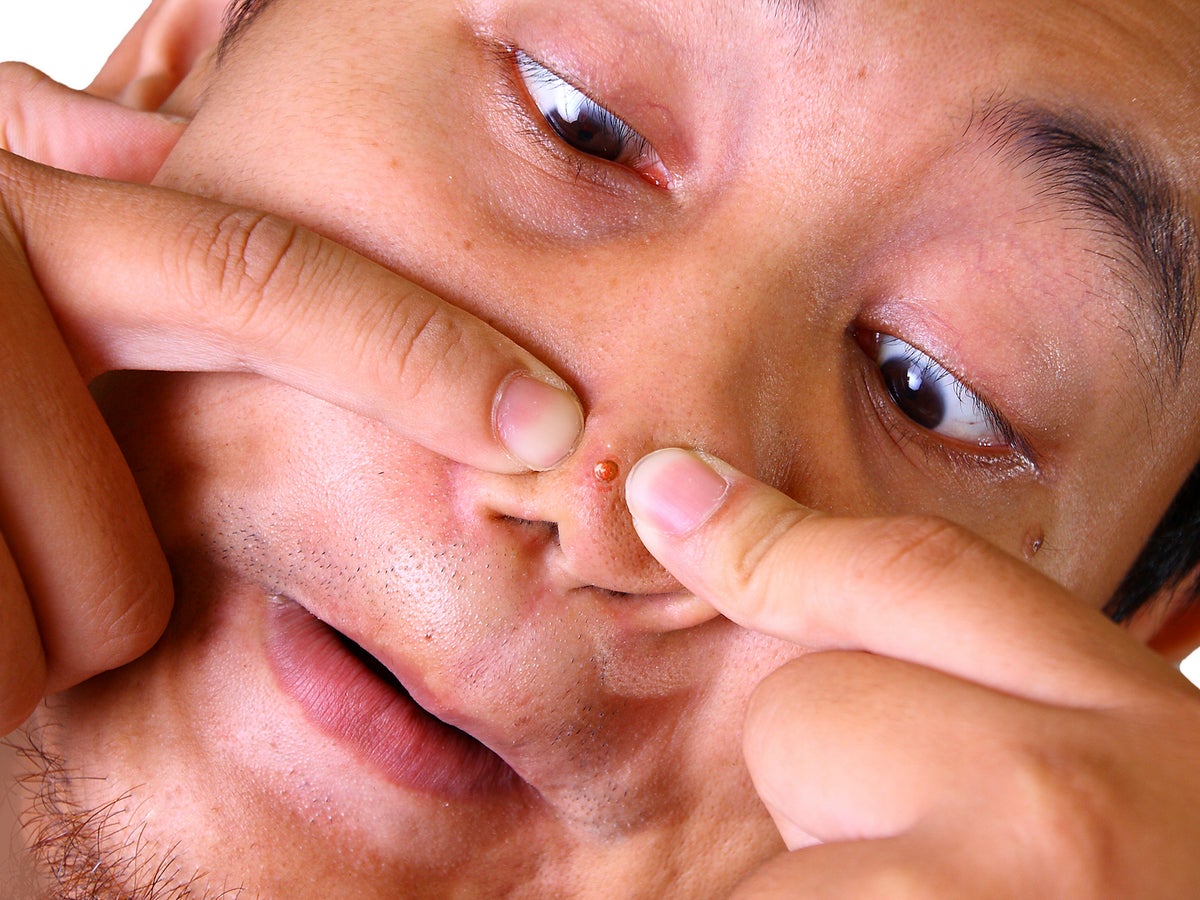
This triangular area, located between the bridge of the nose and the corners of the mouth, contains veins that have a direct pathway to the brain. Because of this unique anatomy, infections in this region can potentially spread more quickly to critical areas of the body.
In this comprehensive guide, we’ll explore what the “triangle of death” is, why it’s risky to pop pimples there, real-life cases of complications, and what experts recommend to keep your skin — and health — safe.
Understanding the “Triangle of Death”
The term “triangle of death” is used by medical professionals to describe the area of the face that extends from the bridge of the nose down to the corners of the mouth. This zone contains a network of veins that connect directly to the cavernous sinus, a large vein located at the base of the brain.
Unlike veins in other parts of the body, the veins in this area do not have valves to prevent blood from flowing backward. This means that bacteria from an infected pimple or skin wound can travel directly toward the brain without being filtered by the body’s normal protective mechanisms.
While complications are rare, the potential consequences are serious enough that experts urge people to exercise caution.
Why Popping Pimples Here Can Be Risky
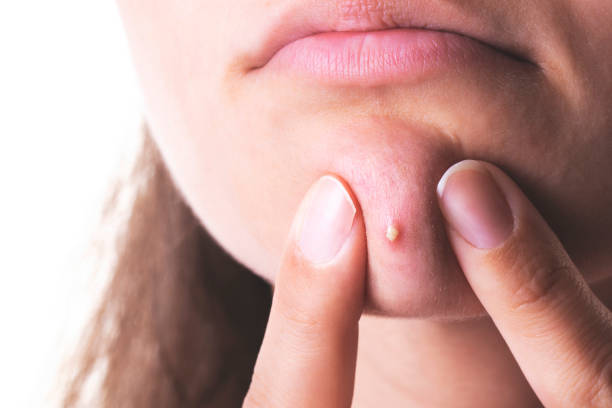
When you squeeze a pimple, you create an opening in the skin. If bacteria are present on your fingers, under your nails, or on the skin’s surface, they can enter the wound. Normally, the immune system handles minor infections without issue, but in the triangle of death area, the risk is higher because of the direct venous connection to the brain.
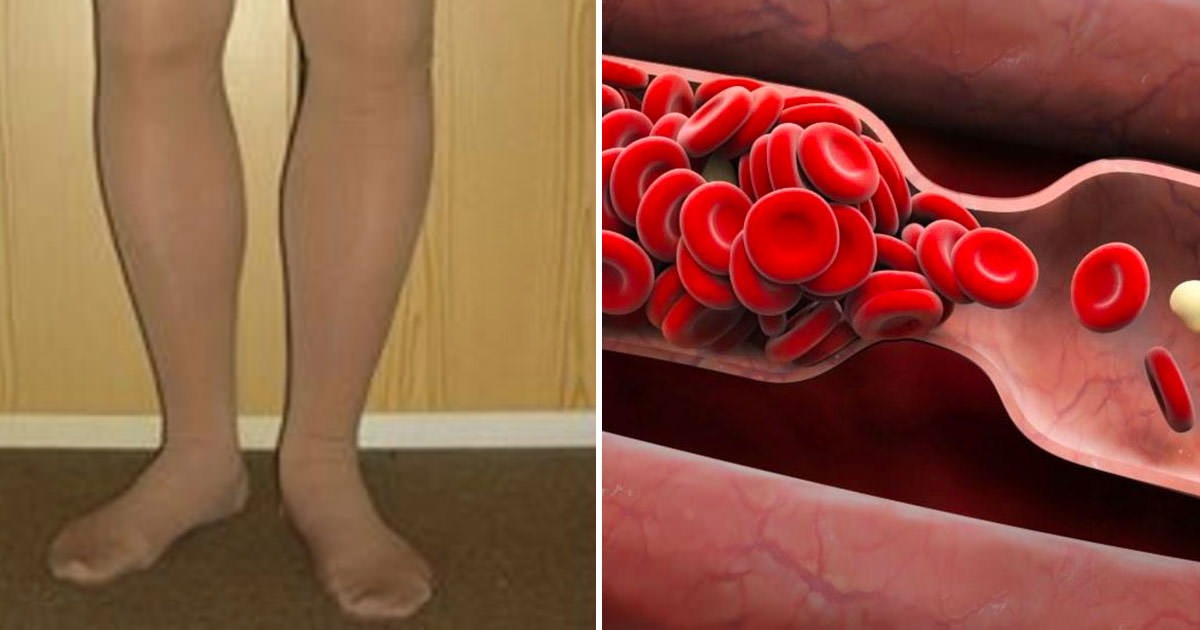
If bacteria reach the cavernous sinus, they can cause a condition known as cavernous sinus thrombosis — a rare but life-threatening condition in which a blood clot forms in this large vein. This can lead to complications such as:
-
Severe headaches
-
Facial swelling and redness
-
Fever
-
Vision problems or eye swelling
-
Stroke-like symptoms
-
In extreme cases, life-threatening infections such as meningitis
A Real-Life Example of Why Caution Is Needed
A U.S. woman shared her experience after popping a pimple just below her nostril — well within the triangle of death. Initially, she thought it was a simple skin blemish. However, within hours, her face began to swell, and she noticed that one side of her face was not moving properly when she smiled.
Recognizing that something was wrong, she sought urgent care. Doctors diagnosed her with a facial infection and prescribed antibiotics and steroids to control it. Fortunately, because she acted quickly, the infection was treated before it spread further, and she recovered fully within a few days.
Her story serves as a reminder that while severe outcomes are rare, they are possible — and early medical intervention can make all the difference.

Dermatologists’ Guidelines for Safe Skin Care
Dermatologists strongly recommend that people avoid popping pimples in the triangle of death area whenever possible. Instead, they suggest alternative methods for treating blemishes:
-
Use a warm compress
Applying a warm, clean cloth to the area can help reduce inflammation and encourage natural drainage without squeezing. -
Apply over-the-counter acne treatments
Products containing benzoyl peroxide or salicylic acid can help dry out pimples and reduce bacteria. -
See a dermatologist
If a pimple is large, painful, or persistent, a dermatologist can safely extract it under sterile conditions.
If You Must Pop a Pimple in This Area
Sometimes, a pimple may need to be drained — for example, if it’s causing significant pain or if it’s a cystic lesion. In these cases, Dr. Mamina Turegano, a board-certified dermatologist, advises following strict hygiene protocols:
-
Clean the skin with an antiseptic solution.
-
Wash your hands thoroughly or use sterile gloves.
-
Sterilize your tools, such as a diabetic lancet, which can make a small, precise opening with minimal skin damage.
-
Use cotton swabs instead of fingers to apply gentle pressure.
-
Stop if there’s resistance — forcing the pimple can push bacteria deeper into the skin.

Signs That You Should Seek Medical Help Immediately
If you have recently popped a pimple in the triangle of death area and notice any of the following symptoms, you should contact a healthcare professional right away:
-
Persistent or worsening swelling
-
Increasing redness or warmth in the area
-
Fever or chills
-
Severe pain
-
Difficulty moving facial muscles
-
Vision changes or eye swelling
Early treatment can prevent potentially serious complications.

The Anatomy Behind the Risk
The increased danger of infections spreading from this facial region comes down to how the blood vessels are structured. The veins of the face connect to the cavernous sinus through the angular vein and the ophthalmic veins. Because these veins lack valves, blood — and any bacteria it contains — can flow in either direction.
This is different from most veins in the body, which have one-way valves to prevent backward flow. In the rare event that bacteria travel toward the brain, they can bypass many of the body’s natural defenses, increasing the risk of severe infection.
Prevention: The Best Strategy for Skin Health
Rather than focusing on popping pimples, experts recommend preventing them through consistent skin care:
-
Wash your face twice daily with a gentle cleanser.
-
Avoid touching your face with unwashed hands.
-
Use non-comedogenic skincare products to avoid clogged pores.
-
Stay hydrated and maintain a balanced diet to support skin health.
-
Manage stress, as it can trigger breakouts for some people.

The Takeaway
While popping pimples is a common habit, doing so in the triangle of death area of the face can increase your risk of serious complications. The unique anatomy of the veins in this region creates a direct pathway for bacteria to travel to the brain, potentially leading to dangerous infections.
The safest approach is to leave blemishes in this area alone or have them treated by a medical professional. If you do experience swelling, pain, or other concerning symptoms after popping a pimple in this region, seek medical attention promptly.
By understanding the risks and making informed choices, you can protect both your skin’s appearance and your overall health.