SB. Effective Home Remedies and Medical Tips for Managing Diarrhea Promptly
Disclaimer: This article is for informational purposes only and is not intended as medical advice. It should not be used to diagnose, treat, cure, or prevent any disease. Always consult a qualified healthcare provider before making changes to your diet, lifestyle, or treatment plan, especially if you have an underlying health condition or persistent symptoms.
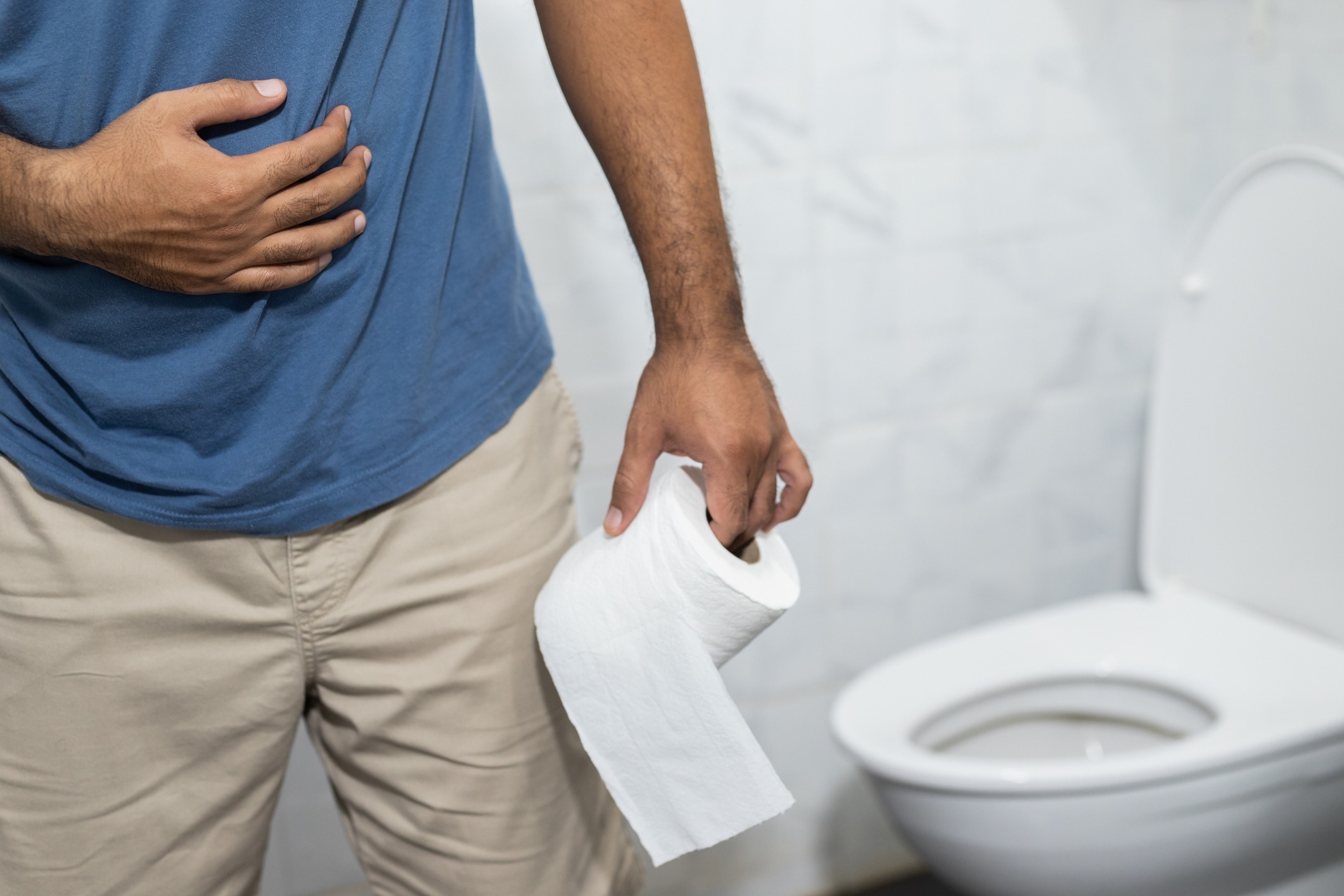
Diarrhea is a common digestive condition characterized by frequent, loose, or watery bowel movements. While most cases are mild and resolve on their own within a few days, timely management is important to prevent dehydration and complications. According to the World Health Organization (WHO), diarrhea can be caused by infections (viral, bacterial, or parasitic), food intolerances, certain medications, and chronic health conditions.
1. Rehydration Is the First Priority
Oral Rehydration Solution (ORS):
The WHO recommends oral rehydration solution as the most effective way to replace lost fluids and electrolytes. ORS is available in pharmacies, but you can also make it at home by mixing:
-
1 liter of clean water
-
6 teaspoons of sugar
-
½ teaspoon of salt
Clear Fluids:
In addition to ORS, drink plenty of water, clear broths, or caffeine-free herbal teas to maintain hydration. Avoid sugary sodas and caffeinated beverages, as they may worsen symptoms.

2. Follow the BRAT Diet
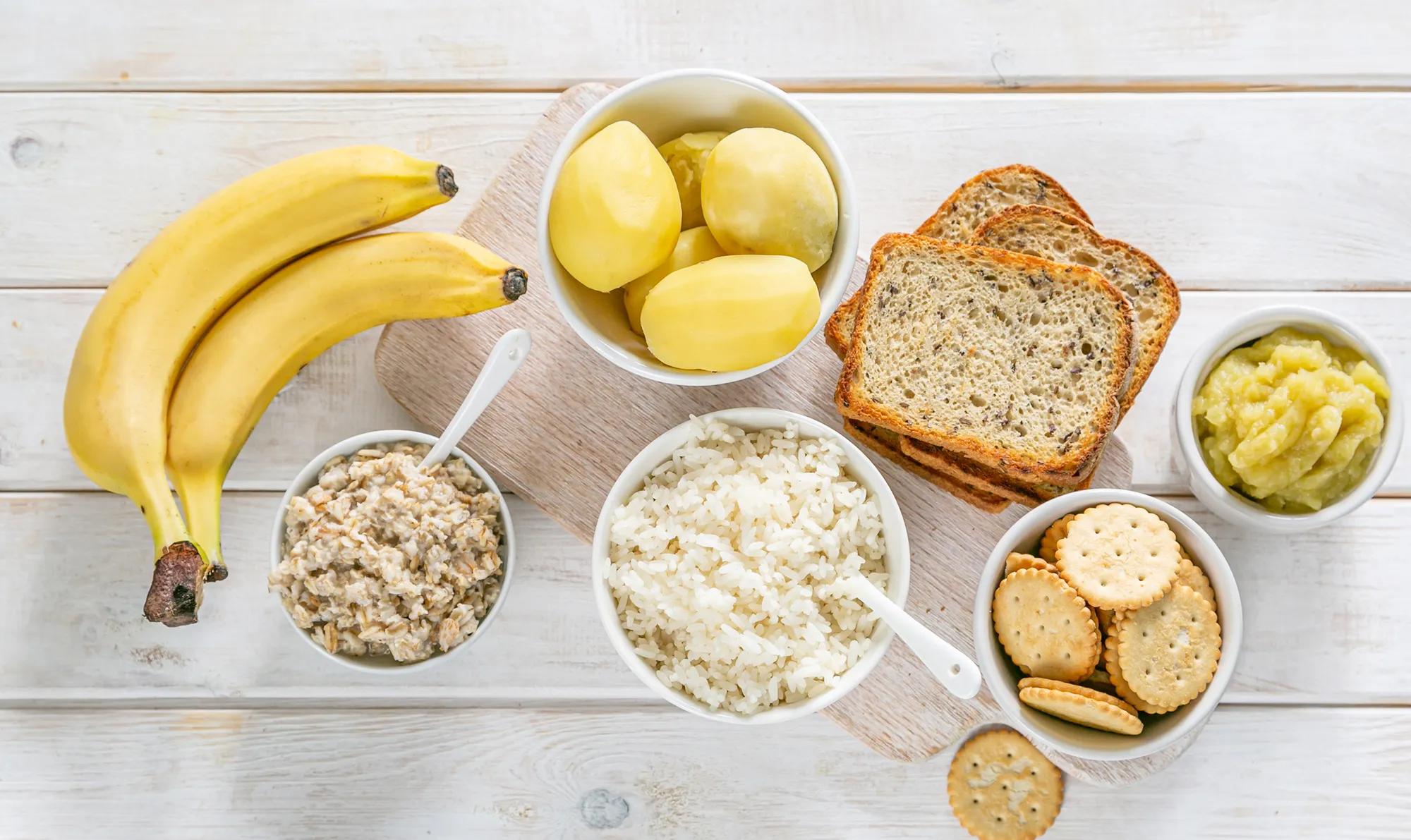
The BRAT diet — bananas, rice, applesauce, and toast — is gentle on the digestive system and can help firm stools. These foods are low in fiber and easy to digest, reducing strain on the gut while providing some nutrients and energy.
3. Avoid Foods That Can Worsen Diarrhea
During recovery, avoid:
-
Dairy products (except yogurt with probiotics, if tolerated)
-
Fried, fatty, and spicy foods
-
Foods high in insoluble fiber, such as raw vegetables and certain seeds
-
Artificial sweeteners like sorbitol and mannitol, which can have a laxative effect

4. Use Probiotics
Probiotics can help restore the balance of healthy gut bacteria disrupted by diarrhea, especially when caused by antibiotics. According to Harvard Medical School, probiotics containing Lactobacillus or Saccharomyces boulardii may shorten the duration of symptoms in certain cases. These are available in yogurt, kefir, and dietary supplements.

5. Rest and Avoid Overexertion
Your body needs energy to fight the underlying cause of diarrhea. Resting helps the immune system function efficiently and allows the digestive tract to recover.
6. Practice Good Hygiene to Prevent Spread
If diarrhea is due to infection, washing hands thoroughly with soap and water is essential to prevent transmission to others. Disinfect frequently touched surfaces and avoid preparing food for others until fully recovered.
7. When to Seek Medical Help Immediately
While most cases of diarrhea resolve without medical intervention, contact a healthcare provider if you experience:
-
Signs of dehydration (dry mouth, dizziness, dark urine, rapid heartbeat)
-
High fever (above 38.5°C / 101.3°F)
-
Persistent diarrhea lasting more than two days in adults or 24 hours in children
-
Severe abdominal or rectal pain
-
Blood or black, tarry stools
Children, elderly adults, and people with weakened immune systems are at higher risk of complications and should seek prompt care.

Summary
Timely management of diarrhea focuses on preventing dehydration, choosing gentle and easily digestible foods, avoiding irritants, and resting. While home remedies can be effective for mild cases, it’s important to monitor symptoms and seek professional medical advice when necessary.
By combining proper hydration, dietary adjustments, probiotics, and good hygiene practices, you can support faster recovery and reduce the risk of further digestive discomfort.