SB. 10 Foods Commonly Linked to Cancer Risk and Why Limiting Them May Support Better Health
According to the American Institute for Cancer Research (AICR), many cancers can be prevented through a combination of healthy eating, physical activity, and maintaining a healthy body weight. While no single food directly causes or prevents cancer on its own, scientific research indicates that certain foods and food additives, when consumed frequently or in large amounts, may increase cancer risk over time.
This guide reviews 10 types of foods and food-related chemicals that have been associated with cancer risk in studies from reputable health organizations and research institutions. Understanding these potential risks can help you make more informed dietary choices.
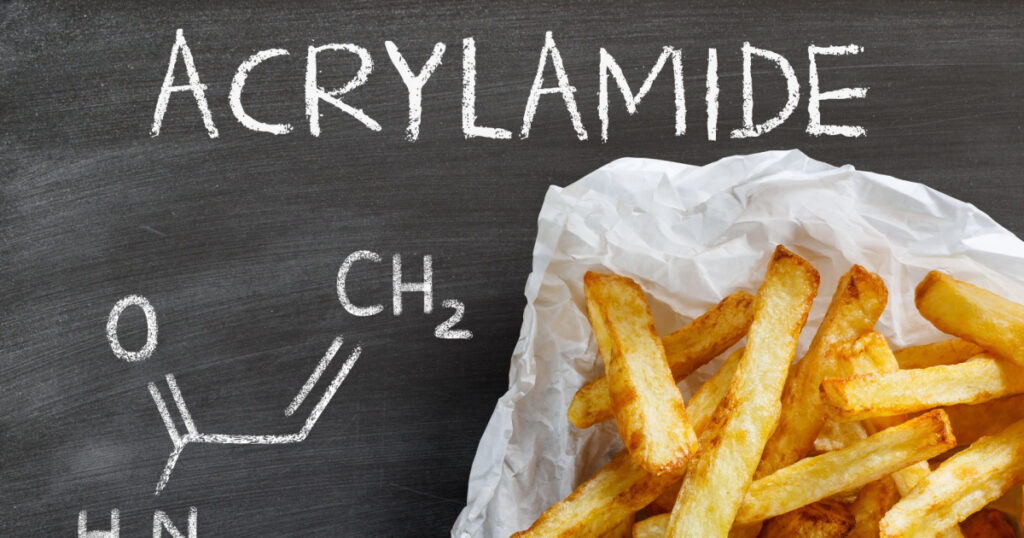
1. BPA-Lined Cans
Bisphenol A (BPA) is an industrial chemical used in producing some plastics and in the lining of many canned foods. The National Institute of Environmental Health Sciences reports that BPA can migrate into food and beverages from containers made with the substance. Laboratory studies in animals suggest BPA exposure may be linked to certain health effects, including hormonal changes. To reduce exposure, choose products labeled BPA-free or opt for fresh and frozen foods when possible.
2. Cured and Smoked Meats
Processed meats—such as bacon, hot dogs, sausage, and salami—often contain nitrates or nitrites as preservatives. According to the World Health Organization’s International Agency for Research on Cancer (IARC), processed meats have been classified as Group 1 carcinogens (carcinogenic to humans) due to sufficient evidence that their consumption increases the risk of colorectal cancer. The risk appears to be linked to compounds called N-nitroso compounds that can form during processing or cooking.

3. Farmed Fish
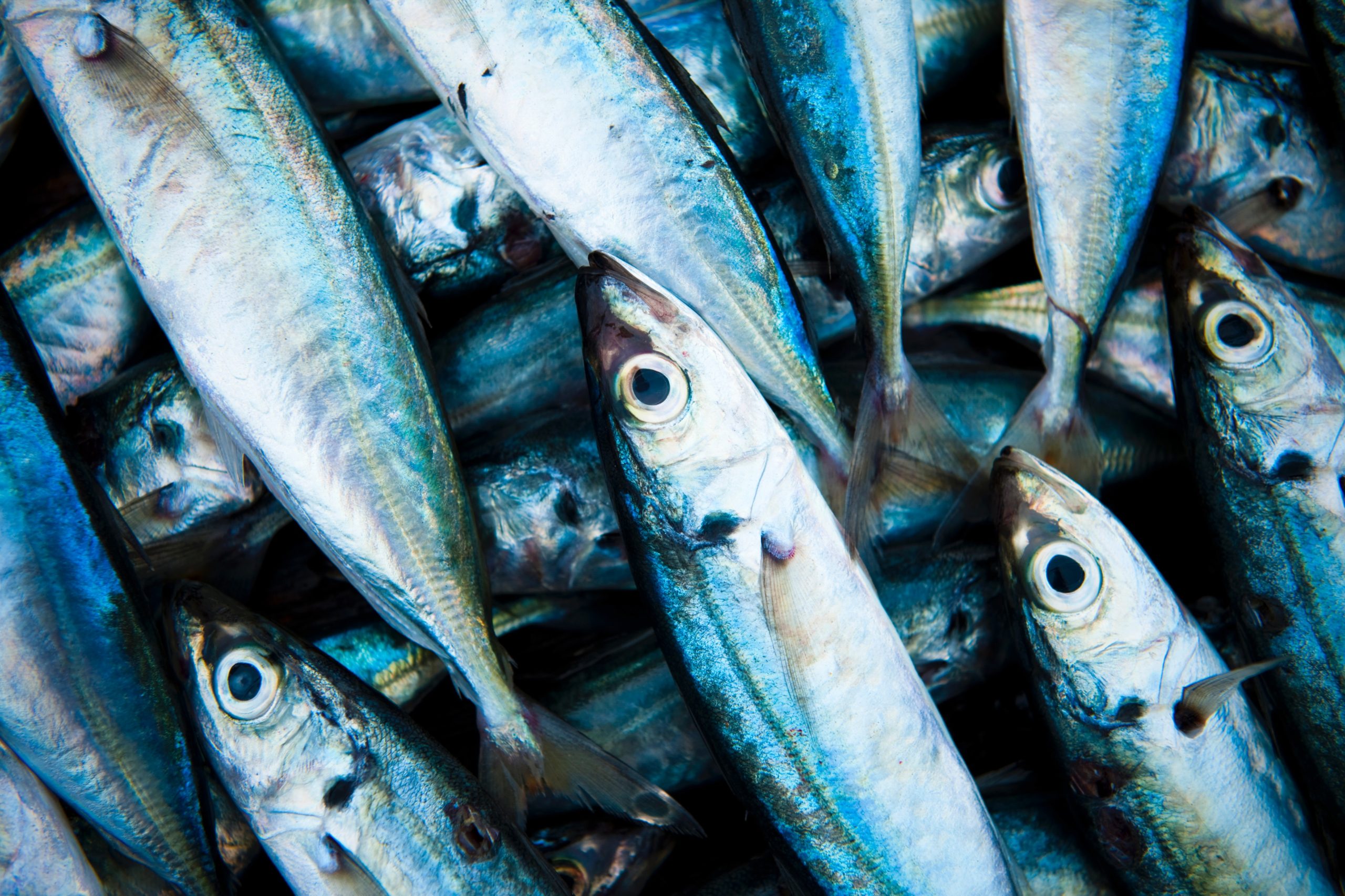
Farmed fish, depending on production practices, can contain higher levels of certain contaminants, such as polychlorinated biphenyls (PCBs), compared to some wild-caught varieties, according to Food & Water Watch and Environmental Protection Agency (EPA) data. PCBs are classified as probable human carcinogens by the U.S. Department of Health and Human Services. Choosing responsibly sourced wild fish or farmed fish certified by reputable sustainability programs can help reduce exposure.
4. Grilled or Charred Meat
Cooking meat at high temperatures, such as grilling over an open flame, can produce polycyclic aromatic hydrocarbons (PAHs) and heterocyclic amines (HCAs). The National Cancer Institute notes that these compounds have been found to cause changes in DNA in laboratory studies, which may play a role in cancer development. To reduce risk, cook meats at lower temperatures, use marinades, and avoid charring.

5. Hydrogenated Oils (Trans Fats)
Trans fats, often found in partially hydrogenated oils, can contribute to heart disease, inflammation, and other chronic health issues. The U.S. Food and Drug Administration (FDA) has determined that artificial trans fats are no longer “generally recognized as safe” for use in food. While most manufacturers have removed them, checking nutrition labels for “partially hydrogenated oil” can help you avoid remaining sources.

6. Microwave Popcorn with Certain Packaging
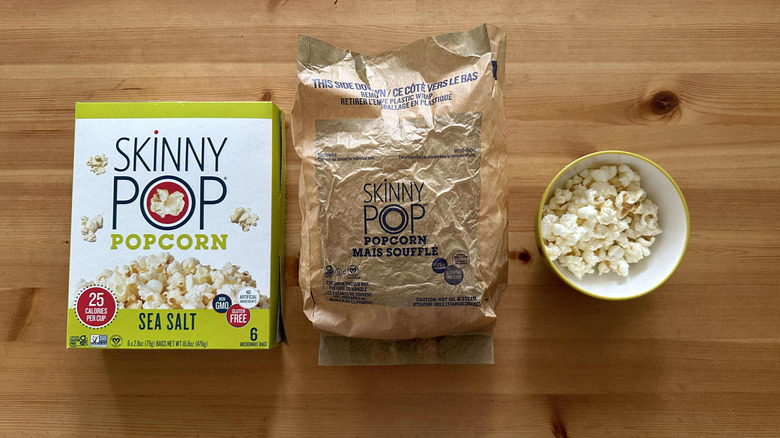
Some microwave popcorn bags were historically coated with perfluorooctanoic acid (PFOA) and other per- and polyfluoroalkyl substances (PFAS) to resist oil and grease. The Agency for Toxic Substances and Disease Registry (ATSDR) notes that some PFAS chemicals have been linked to health effects in animal studies, including possible cancer risk. Many manufacturers have since removed PFOA from packaging, but checking product labels or opting for air-popped popcorn is a safer choice.
7. Non-Organic Produce with High Pesticide Residue
The U.S. Department of Agriculture (USDA) and the Environmental Working Group (EWG) report that certain conventionally grown fruits and vegetables can have higher pesticide residues. While washing and peeling produce can help reduce residues, choosing organic versions of produce items on the EWG’s “Dirty Dozen” list may further reduce exposure to these chemicals.

8. Highly Processed Foods
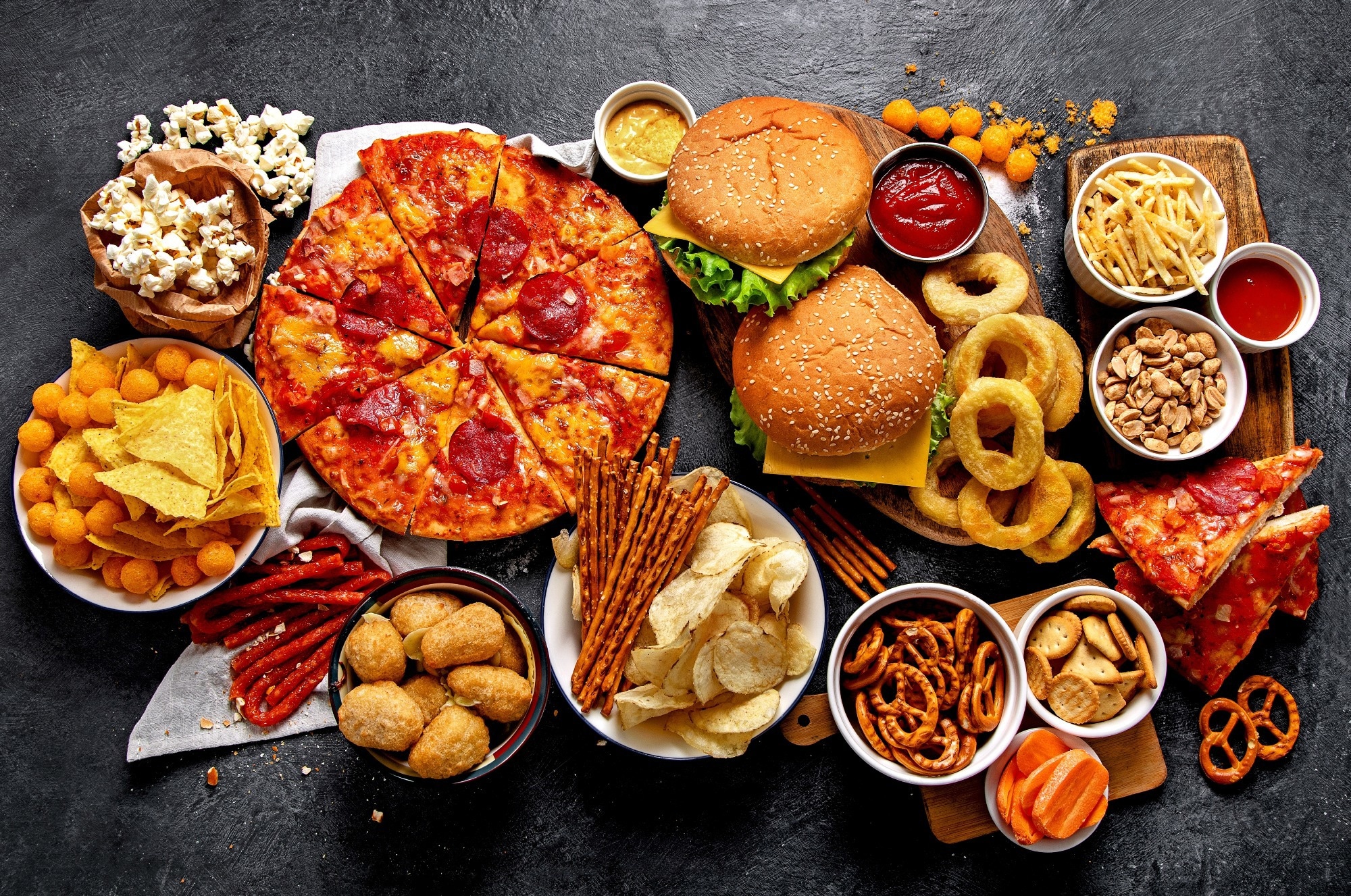
Many highly processed foods—such as packaged snack cakes, instant noodles, and certain frozen meals—contain refined grains, added sugars, unhealthy fats, and additives. The American Cancer Society recommends limiting processed foods as part of an overall healthy diet, as these products often displace nutrient-rich foods and may contribute to weight gain, which is a known cancer risk factor.
9. Excessive Refined Sugar
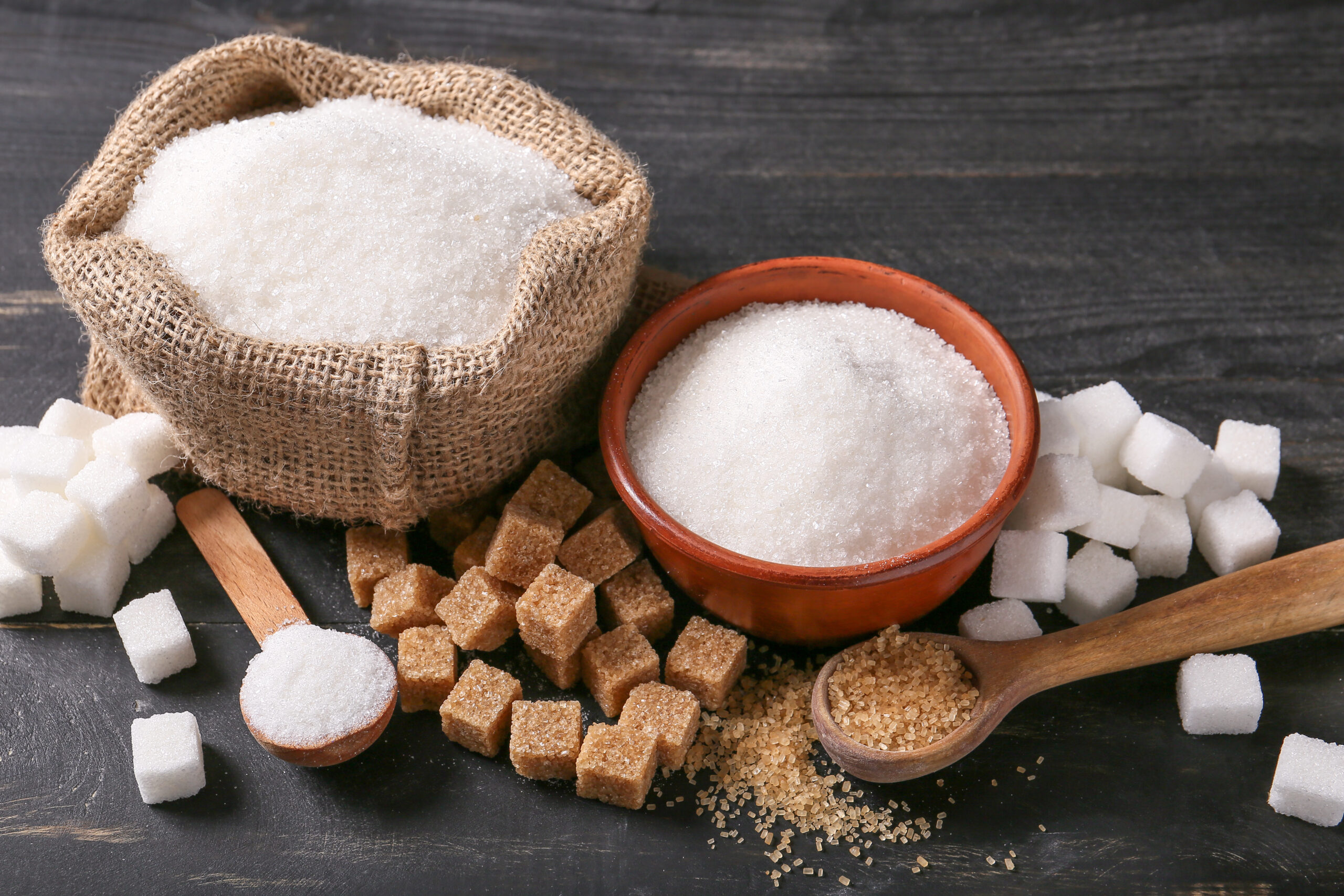
Diets high in added sugars can lead to obesity, which the Centers for Disease Control and Prevention (CDC) recognizes as a risk factor for several cancers. While sugar itself does not directly cause cancer, excess consumption may contribute to conditions that increase risk. Choosing whole fruits, unsweetened beverages, and minimally processed snacks can help maintain healthy blood sugar levels.
10. Sugary Soft Drinks and Some Sports Drinks
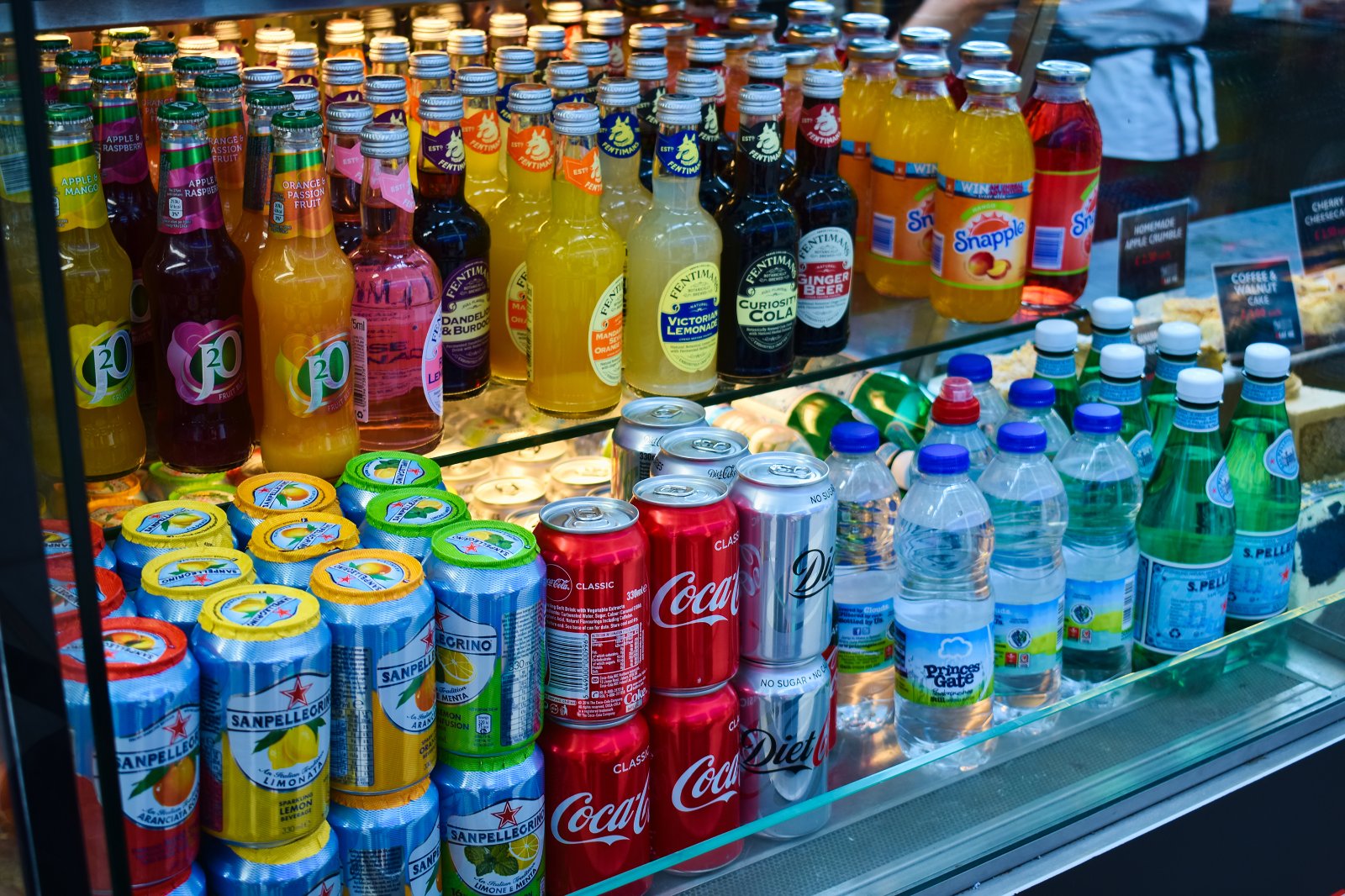
Regular consumption of sugar-sweetened beverages, including sodas and many sports drinks, can lead to excessive calorie intake and weight gain. According to the Harvard T.H. Chan School of Public Health, these drinks often contain added sugars, artificial flavors, and dyes that offer no nutritional benefit. Water, unsweetened tea, or homemade electrolyte drinks are healthier alternatives for hydration.
Practical Tips for Reducing Cancer Risk Through Diet
While avoiding every potential dietary carcinogen is unrealistic, you can make small, sustainable changes to support long-term health:
-
Focus on a plant-rich diet: Include a variety of vegetables, fruits, legumes, nuts, and whole grains.
-
Limit processed meats and red meats: Choose poultry, fish, beans, or plant-based proteins instead.
-
Cook smart: Use gentler cooking methods such as steaming, baking, or slow cooking.
-
Read labels carefully: Check for added sugars, trans fats, and artificial additives.
-
Stay hydrated with healthy beverages: Water should be your primary source of hydration.
Final Thoughts
Cancer prevention is not about avoiding one or two foods—it’s about overall dietary patterns and lifestyle choices. Reducing consumption of foods linked to higher cancer risk, while emphasizing nutrient-dense, minimally processed foods, can help support better long-term health. Combined with regular exercise, maintaining a healthy weight, and avoiding tobacco, dietary awareness is one of the most effective tools for lowering your cancer risk.
By staying informed through credible sources like the American Cancer Society, National Cancer Institute, and World Health Organization, you can make confident, evidence-based decisions for your well-being.