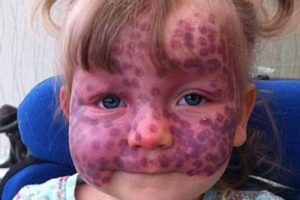
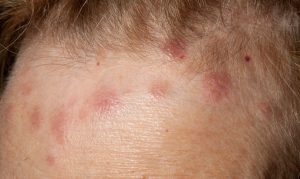
SK. These are the signs that it’s gro…see more
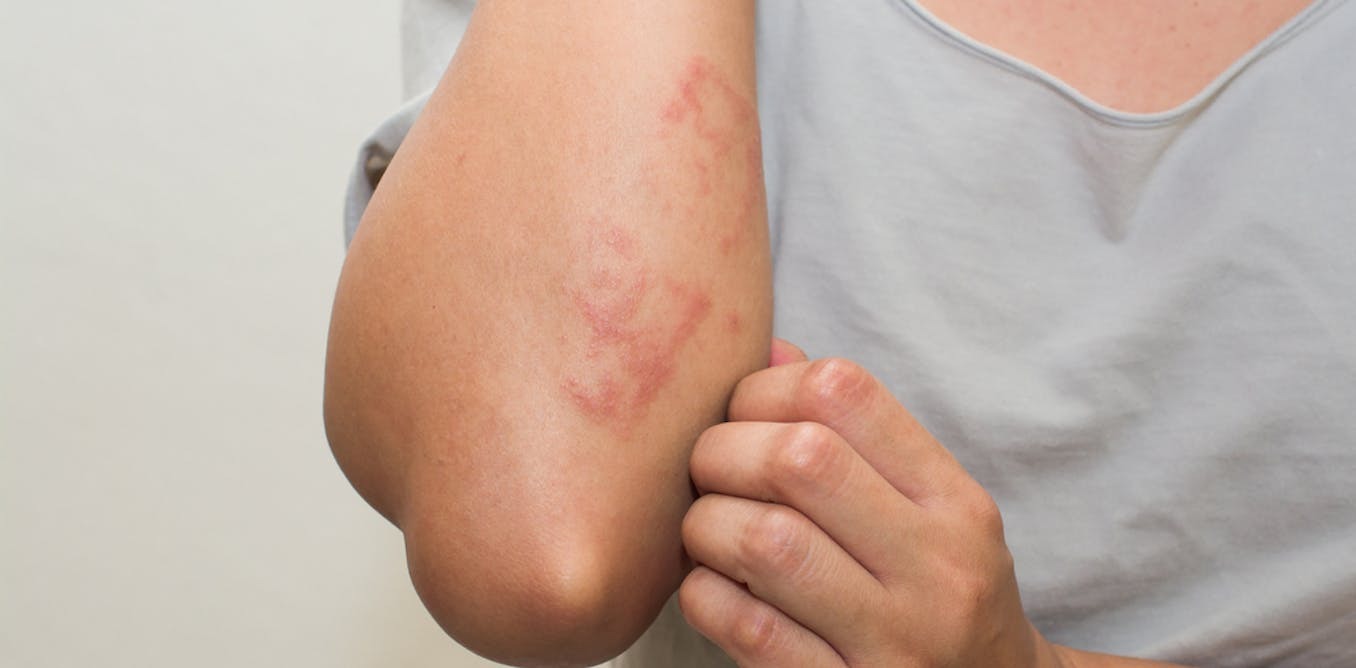
Skin rashes are among the most common dermatological concerns, affecting people of all ages. Whether it’s a mild irritation or a chronic condition, skin rashes can impact comfort, appearance, and daily life. Understanding the underlying causes and knowing how to manage them is essential for both short-term relief and long-term skin health.
What Is a Skin Rash?

A skin rash is a visible change in the skin’s appearance, typically characterized by redness, inflammation, swelling, or bumps. Some rashes may be itchy or dry, while others can cause discomfort, tenderness, or even pain. Rashes may be localized to one area or spread across multiple regions of the body depending on the cause.
Rashes can occur for a wide range of reasons—from allergic reactions and infections to chronic skin conditions. Identifying the root cause is key to effective treatment.
How Common Are Skin Rashes?
Skin rashes are incredibly common. Nearly everyone experiences at least one rash at some point in their lives. While many rashes are mild and temporary, others may indicate more serious underlying issues and require professional evaluation.
According to dermatologists, rashes account for a significant percentage of both pediatric and adult medical visits, underscoring their prevalence in daily healthcare.
Who Can Get a Skin Rash?
Skin rashes can affect anyone, regardless of age or skin type. However, certain age groups and individuals may be more prone to specific types of rashes:
-
Infants: Commonly experience diaper rash and cradle cap due to sensitive skin and moisture exposure.
-
Children: May develop conditions like atopic dermatitis (eczema) and rashes linked to viral infections such as fifth disease or roseola.
-
Adults: Often experience contact dermatitis or rashes caused by environmental factors, stress, or allergic reactions.
-
Seniors: Aging skin can become thinner and more sensitive, making older adults more susceptible to irritation and allergic rashes.
Common Types of Skin Rashes
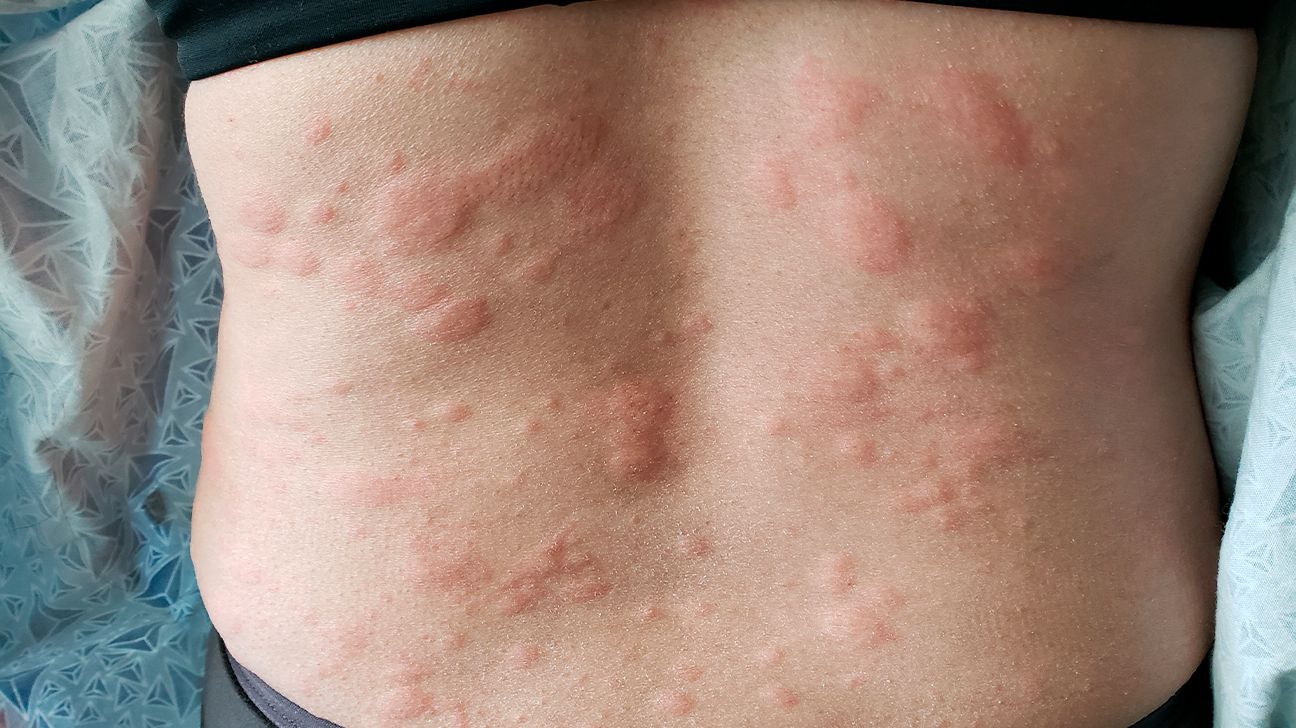
There are many forms of skin rashes, each with its own characteristics, causes, and treatment options. Here are the most common types:
1. Contact Dermatitis
This type of rash results from direct contact with allergens or irritants. It can cause red, itchy, and sometimes blistered skin. Common triggers include:
-
Fragrances and preservatives in personal care products
-
Nickel found in jewelry
-
Poison ivy, oak, or sumac
-
Household cleaning agents and detergents
Avoiding the triggering substance is the best way to prevent recurrence.
2. Eczema (Atopic Dermatitis)
Eczema is a chronic skin condition that typically begins in childhood but can persist into adulthood. It often runs in families and is more common in individuals with asthma or allergies. Symptoms include:
-
Dry, scaly patches
-
Itching (sometimes severe)
-
Redness and inflammation
Eczema flare-ups can be triggered by weather changes, stress, soaps, or allergens.
3. Hives (Urticaria)
Hives are raised, red, and often itchy welts on the skin. They can appear suddenly and may last for hours or days. Hives may be triggered by:
-
Allergic reactions (food, pollen, insect stings)
-
Infections
-
Temperature changes or sunlight exposure
-
Stress
Antihistamines are often used to relieve hives, but identifying the cause is key to preventing future outbreaks.
4. Psoriasis
Psoriasis is a chronic autoimmune condition that causes the skin to regenerate at an accelerated rate. This leads to thick, scaly patches that are often itchy and sometimes painful. Common areas affected include:
-
Elbows
-
Knees
-
Scalp
-
Lower back
Psoriasis tends to run in families and may worsen due to stress, infections, or skin injuries. While there’s no cure, treatment can manage symptoms effectively.
5. Viral Rashes
Many viruses can cause skin rashes, especially in children. Examples include:
-
Chickenpox: A widespread rash with fluid-filled blisters
-
Measles: A red rash that starts on the face and spreads
-
Molluscum contagiosum: A viral infection that causes small, firm bumps on the skin
These rashes are typically accompanied by other symptoms such as fever, fatigue, or cough and may require different treatment approaches.
How Are Skin Rashes Diagnosed?
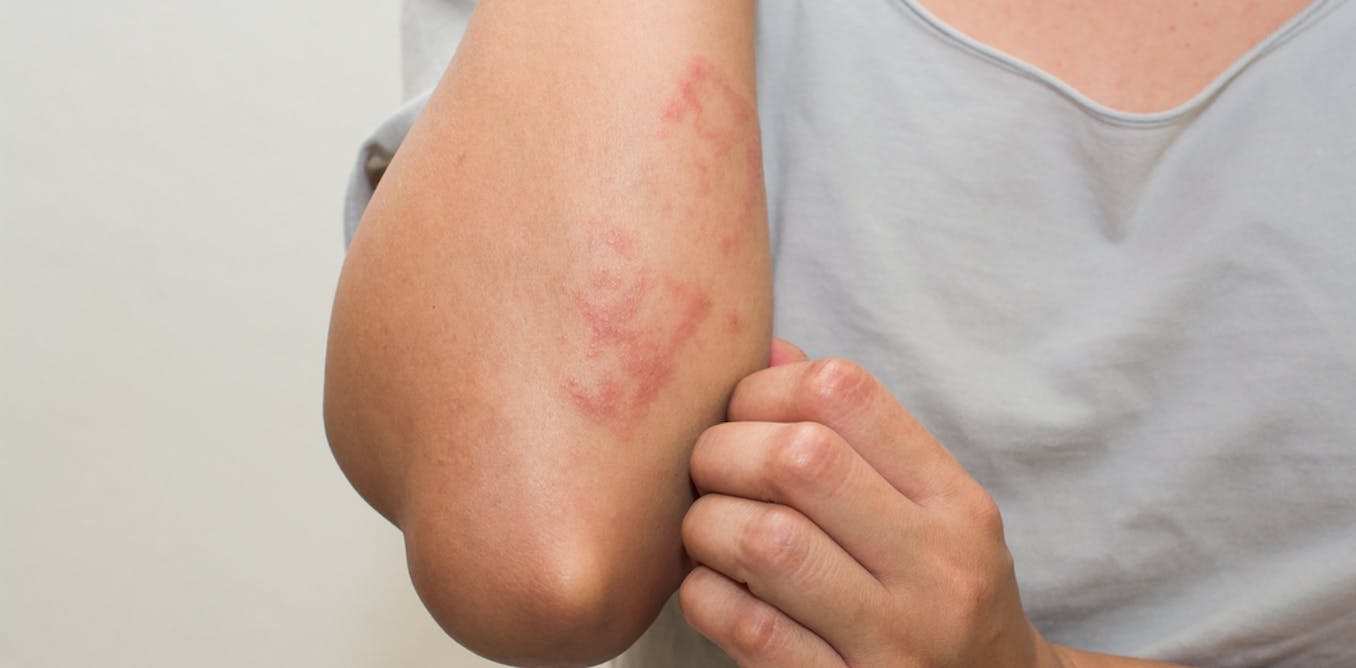
Diagnosing a skin rash often begins with a physical examination and a review of the patient’s medical history. A dermatologist or primary care provider may ask:
-
When the rash started
-
What makes it better or worse
-
Whether it is itchy, painful, or spreading
-
Any recent exposures (plants, new products, foods, travel)
In some cases, diagnostic tests may be needed, such as:
-
Patch testing to identify allergens
-
Skin biopsy to evaluate chronic or unclear rashes
-
Blood tests to detect infections or autoimmune conditions
Early diagnosis helps prevent complications and leads to faster relief.
Treatment Options for Skin Rashes
The best treatment for a rash depends on its underlying cause. Common treatment approaches include:
-
Topical creams and ointments: These may contain corticosteroids, antihistamines, or soothing agents like aloe vera or zinc oxide.
-
Oral medications: Antihistamines or anti-inflammatory medications may be prescribed for more severe rashes or allergic reactions.
-
Lifestyle changes: Avoiding triggers, using gentle skincare products, and maintaining proper skin hydration are essential in managing chronic rashes.
-
Cool compresses and baths: These can provide relief from itching and reduce inflammation.
If a rash does not improve within a few days or worsens, medical advice should be sought to avoid potential complications.
When to See a Doctor
While many rashes go away on their own, you should consult a healthcare provider if you experience:
-
A rash that spreads quickly
-
Symptoms like fever, dizziness, or shortness of breath
-
Blisters, open sores, or signs of infection (pus, increased redness)
-
Rashes that interfere with daily activities or sleep
Prompt medical attention ensures safe, accurate treatment.
Final Thoughts
Skin rashes are incredibly common and can range from mild to complex. Whether caused by environmental factors, allergies, or underlying conditions, most rashes are treatable with the right approach. Understanding the types, causes, and symptoms empowers individuals to seek care early, avoid triggers, and maintain healthier skin.
Sources: